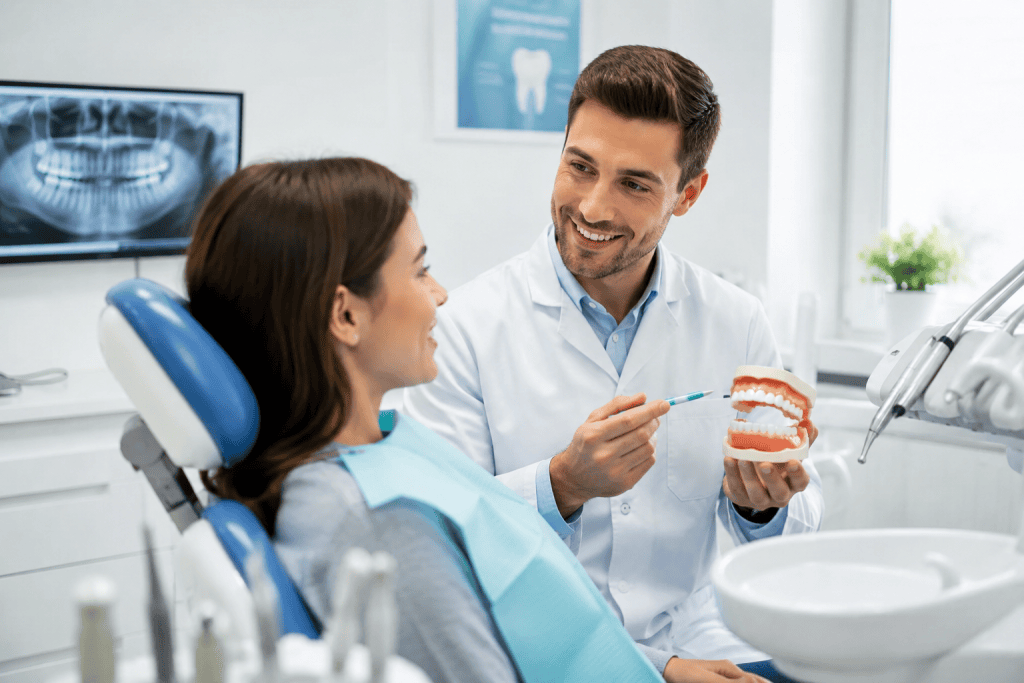
If a sudden toothache, a broken tooth, or knocked-out tooth strikes in Bakersfield, you need fast, qualified care to protect your smile and avoid complications. You can get same-day emergency dental treatment in Bakersfield that stabilizes pain, preserves teeth, and starts definitive repair quickly. This article explains how to recognize true dental emergencies, simple at-home …
If a sudden toothache, a broken tooth, or knocked-out tooth strikes in Bakersfield, you need fast, qualified care to protect your smile and avoid complications. You can get same-day emergency dental treatment in Bakersfield that stabilizes pain, preserves teeth, and starts definitive repair quickly.
This article explains how to recognize true dental emergencies, simple at-home steps to take before you arrive, what to expect during an emergency visit, and how modern technology speeds diagnosis and relief. It also guides you to find a local emergency dentist, understand likely costs and insurance options, and take practical steps to prevent future crises — so you feel ready if the unexpected happens.
Recognizing Dental Emergencies
Prompt recognition of a dental emergency can prevent permanent damage and reduce pain. Clear signs include severe pain, uncontrolled bleeding, visible tooth displacement, swelling affecting breathing or swallowing, and sudden loss of a tooth.
Common Signs You Need Urgent Care
Severe, persistent tooth pain that wakes a person at night or does not respond to over-the-counter pain relievers often signals an infection or nerve damage. Pain accompanied by fever and swelling in the jaw or face suggests an abscess that requires prompt treatment to prevent spread.
A cracked or fractured tooth that causes sharp pain when biting or exposes the tooth’s inner layers needs immediate evaluation. A tooth knocked out after trauma should be kept moist (milk or saliva) and treated within an hour for the best chance of re-implantation.
Loose or partially avulsed teeth, sudden changes in bite alignment after an injury, and dental work that suddenly becomes dislodged and causes bleeding or pain all warrant urgent dental attention. Rapid swelling that affects breathing or swallowing is a medical emergency—call emergency services.
Symptoms That Should Not Be Ignored
Persistent bad taste or pus drainage from the gum points to an ongoing infection and should not be ignored. Increasing localized swelling, red streaks on the face, or swollen lymph nodes near the jaw are warning signs of spreading infection.
Uncontrolled oral bleeding after an extraction or trauma requires immediate care if it soaks through gauze within 20–30 minutes. Numbness or altered sensation in the lip, chin, or tongue after dental injury may indicate nerve involvement and needs evaluation.
Severe pain that prevents eating, speaking, or sleeping, or pain accompanied by fever above 100.4°F (38°C) particularly in immunocompromised patients, should prompt same-day dental contact. In older adults and those with heart conditions, oral infections can rapidly affect overall health.
When to Seek Immediate Help
Seek immediate emergency care if a tooth is completely knocked out—place it in cold milk or saline and reach a dentist within 30–60 minutes for the best chance of saving it. Go straight to an emergency room or call 911 if swelling obstructs breathing or swallowing.
If bleeding cannot be controlled with firm pressure for 20–30 minutes, seek urgent care to prevent excessive blood loss. Any head or facial trauma with loss of consciousness, vision changes, or persistent vomiting requires emergency medical assessment.
For severe, spreading infections (rapid swelling, fever, red streaks), contact an emergency dental clinic or go to the ER—antibiotics and possible surgical drainage may be necessary. For less life‑threatening but painful issues, contact a local Bakersfield emergency dentist for rapid evaluation and pain management.
Types of Dental Emergencies
These emergencies often require quick, practical decisions to reduce pain, save teeth, and prevent infection. Immediate actions and knowing when to see an emergency dentist make the biggest difference.
Severe Toothache Pain
Severe tooth pain can signal an infected tooth, exposed nerve, cracked tooth, or advanced decay. They should check for swelling, fever, or a bad taste — signs of abscess that need prompt treatment to prevent spread.
Pain relief options include rinsing with warm salt water, using over-the-counter ibuprofen per label instructions, and applying a cold compress to the cheek to reduce swelling. Avoid placing aspirin directly on the gum or tooth; that can burn tissue.
The dentist will examine the tooth, take X-rays, and determine whether root canal therapy, extraction, or a filling is necessary. Antibiotics may be prescribed if there is an active infection with swelling or systemic signs. Timely care usually preserves the tooth and prevents complications.
Broken or Knocked-Out Teeth
A fractured tooth ranges from minor enamel chips to splits that expose the pulp. If the tooth is only chipped, save fragments and bring them to the office; the dentist may smooth, bond, or place a veneer or crown depending on extent.
For a completely knocked-out permanent tooth, time matters: reimplantation within 30–60 minutes offers the best chance of saving it. Handle the tooth by the crown only, rinse gently if dirty, and try to reinsert it into the socket. If reinsertion isn’t possible, store the tooth in milk, saline, or the patient’s saliva and get to an emergency clinic immediately.
Children’s primary (baby) teeth should not be reimplanted; instead, seek prompt dental advice. For root-involved fractures, endodontic treatment and restoration often follow once the tooth stabilizes.
Lost Fillings and Crowns
A lost filling or crown exposes the underlying tooth structure to temperature sensitivity, decay, and bacteria. If a crown comes off, clean it gently and try to slip it back over the tooth using dental cement or denture adhesive as a short-term fix until professional care is available.
Temporary measures for a lost filling include covering the area with over-the-counter temporary filling material or sugar-free gum to protect the tooth and reduce sensitivity. Avoid sticky or very hot foods that can dislodge loose restorations or worsen pain.
The dentist will assess for decay or fracture under the restoration and recommend replacing the filling or fabricating a new crown. Timely replacement prevents further damage, preserves tooth structure, and restores normal chewing function.
At-Home Steps Before Visiting a Dentist
Act quickly, stay calm, and prioritize stopping bleeding, reducing pain, and preserving any tooth that has been knocked out. Small, specific actions at home often make the difference in treatment options and outcomes.
Managing Pain and Swelling
They should rinse gently with warm salt water (1/2 teaspoon salt in 8 ounces water) to clean the area after trauma or a broken tooth. This helps reduce bacteria and soothes soft tissue without disturbing clots or fragments.
For swelling, apply a cold pack to the cheek for 10–15 minutes on, 10 minutes off. Use a thin cloth between ice and skin to avoid frostbite.
For pain relief, acetaminophen or ibuprofen works well; follow the medication label for dosing and avoid aspirin for children. If the patient takes blood thinners or has medical conditions, contact the dentist or physician before taking new medications.
If a crown or filling is loose, they can use dental cement from a pharmacy or sugar-free gum to cover exposed areas temporarily. Avoid hard, sticky, or crunchy foods and chew on the opposite side.
Keep a small container with clean gauze or a tea bag to bite on for bleeding control. Replace soaked gauze every 20–30 minutes and seek urgent care if heavy bleeding continues beyond an hour.
Proper Care for a Knocked-Out Tooth
They must find the tooth by the crown (avoid touching the root) and rinse it briefly with saline or milk if dirty; do not scrub or remove tissue fragments. If the tooth is intact, try to reinsert it into the socket gently and hold it in place by biting on gauze.
If reinsertion is not possible, keep the tooth moist. Best options: place it back in the socket, store in cold milk, or keep it in the mouth next to the cheek (only if the person is conscious and not at risk of swallowing). Use saline or a tooth-preservation kit if available.
Time matters: treat this as an emergency and get to a dentist within 30–60 minutes for the highest chance of saving the tooth. Bring the tooth in a sealed container with milk or saline, and avoid wrapping it in tissue or letting it dry.
If multiple teeth are out, or the jaw is fractured, stabilize the head and go directly to the emergency room or oral surgeon for immediate evaluation.
Precautions for Dental Injuries
They should avoid attempting home dental procedures beyond simple temporary measures. Do not use household adhesives, superglue, or unsterilized tools on teeth or gums.
For facial swelling, vision changes, numbness, heavy uncontrollable bleeding, or suspected jaw fracture, call 911 or go to the nearest emergency department. These signs indicate more than a dental problem and may require imaging and surgical care.
Keep a current list of medications, allergies, and recent medical history handy when seeking care. Inform the dental team about blood thinners, immune-suppressing drugs, or recent cardiac issues to guide treatment safely.
Document the event with photos of the injury and any displaced teeth. Clear photos help the dentist triage and plan treatment before arrival.
What to Expect During Your Emergency Visit
Patients can expect a focused, efficient visit that prioritizes pain control, a clear diagnosis, and a choice of treatment options tailored to their situation. The team will communicate each step and provide comfort measures so patients understand timing, costs, and follow-up needs.
Initial Assessment and Diagnosis
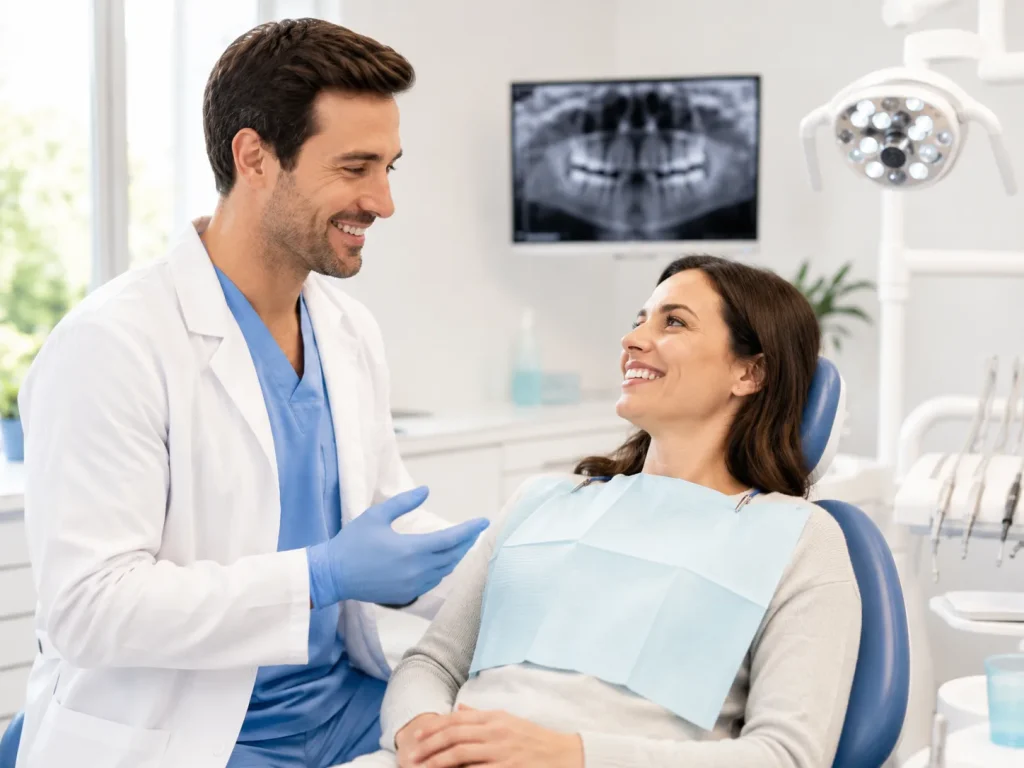
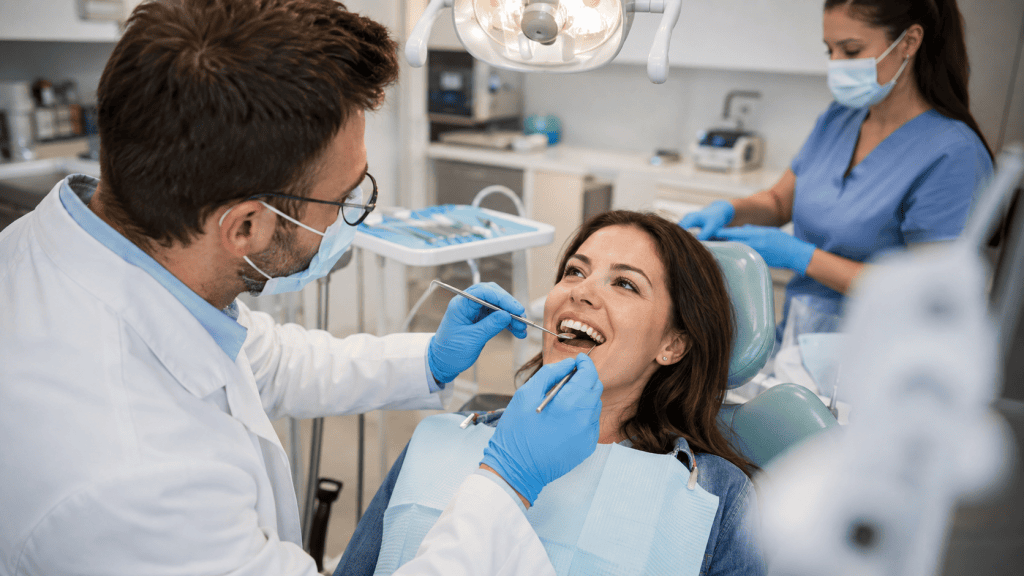
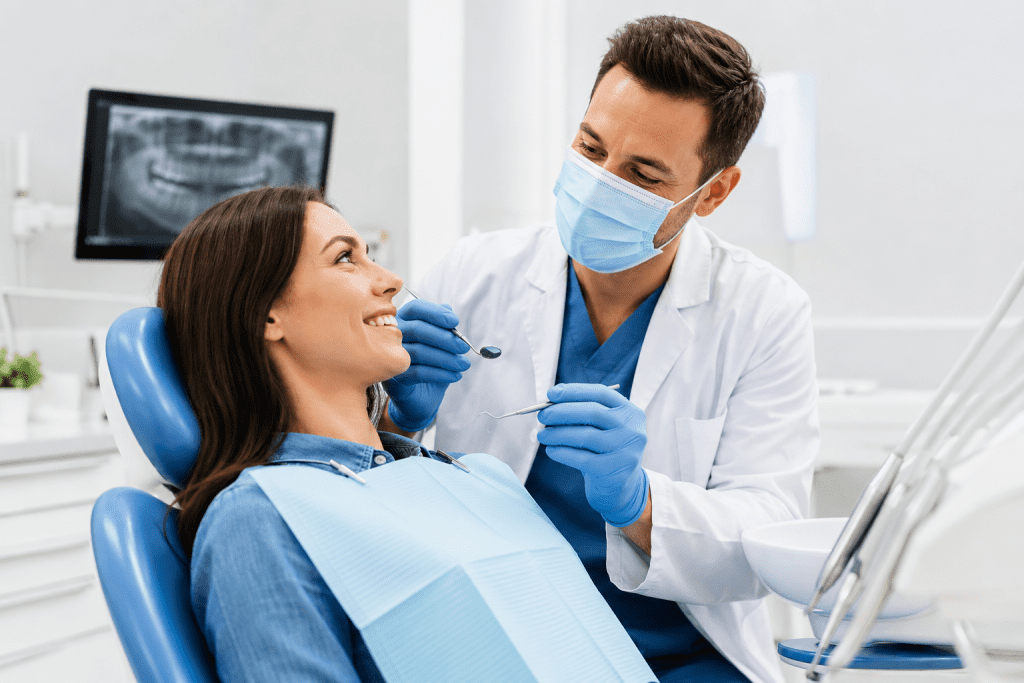
The dental team begins by recording the patient’s symptoms, medical history, and any medications to flag allergies or interactions. They perform a rapid but thorough clinical exam of the mouth, looking for swelling, bleeding, loose teeth, exposed nerve tissue, or signs of infection.
Digital X‑rays or a CBCT scan are used when needed to locate fractures, root problems, or abscesses not visible on the surface. Imaging helps determine urgency — for example, a displaced tooth or spreading infection requires immediate action, while a fractured filling may be scheduled.
The clinician documents findings and explains them in plain language, showing images when possible. Patients receive an estimated timeline and cost for immediate care and potential follow-up, plus written aftercare instructions and prescription details if antibiotics or pain medication are prescribed.
Personalized Treatment Options
After diagnosis, the clinician outlines specific treatments that match the problem and the patient’s preferences. Options range from same‑day procedures (tooth splinting, temporary crowns, root canal therapy, or extractions) to short‑term stabilizing measures like sedative dressings or a pain‑relief prescription.
The dentist discusses the pros and cons of each choice, including recovery time, durability, and price. For example, root canal plus crown preserves a tooth long‑term but may require two visits; extraction resolves acute pain faster but may need future implant or bridge work.
Insurance coverage, payment plans, and referrals are reviewed before proceeding. The team obtains informed consent, answers questions about anesthesia levels, and confirms any medical precautions to make the chosen plan safe and predictable.
Modern Comfort Techniques
Clinics use multiple comfort strategies to reduce anxiety and pain during emergency care. Local anesthetics with buffering agents minimize sting and provide reliable numbness; topical gels help before injections. For anxious patients, nitrous oxide (laughing gas) or oral sedatives can be arranged quickly.
Distraction methods such as music, TV, and calming office design support relaxation during procedures. Minimally invasive instruments and high‑speed suction reduce procedure time and discomfort. Postoperative pain is managed with tailored prescriptions and nonopioid options whenever appropriate.
Staff monitor vitals for patients receiving sedation and provide clear recovery instructions. They schedule follow‑up visits and explain signs of complications so patients feel supported after leaving the office.
Advanced Technology for Fast Relief
Modern emergency dental offices in Bakersfield use precise tools and techniques to diagnose problems quickly and treat pain with minimal discomfort. The focus lies on fast, accurate imaging and procedures that preserve healthy tooth structure while relieving symptoms.
Digital X-Rays and Imaging
Digital X-rays capture high-resolution images in seconds, reducing radiation exposure by up to 80% compared with traditional film. Dentists review images on-screen immediately, allowing them to spot fractures, root infections, impacted teeth, and bone loss without delay.
Intraoral cameras and 3D cone-beam CT (CBCT) scans complement X-rays for complex cases. An intraoral camera shows magnified views of a single tooth so the patient sees the problem; CBCT provides three-dimensional images when the dentist needs to evaluate root canals, jaw anatomy, or trauma in detail.
Immediate access to these images shortens diagnosis time and speeds decision-making for treatments like root canal therapy, tooth extraction, or surgical planning. Electronic records store images for future comparison and coordinated care with specialists.
Minimally Invasive Procedures
Minimally invasive techniques aim to treat the source of pain while conserving as much healthy tooth and tissue as possible. For example, modern rotary instruments and ultrasonic scalers allow targeted removal of decayed or damaged tissue with less pressure and vibration than older drills.
Dentists often use dental adhesives, composite resins, and bonded restorations to repair teeth in a single, same-day visit. When infection threatens the pulp, rotary endodontic systems and magnification (loupes or microscopes) enable faster, more precise root canal treatment with fewer visits.
Local anesthesia protocols and sedation options prioritize patient comfort during procedures. Postoperative recovery tends to be quicker because smaller access points and precise techniques reduce swelling and tissue trauma. Patients leave with measurable pain relief and restorations designed for durability and function.
How to Find an Emergency Dentist in Bakersfield
This section explains where to locate a licensed emergency dentist, what credentials and services to verify, and how to access care after regular office hours. It highlights practical steps like checking state licensure, reading recent patient reviews, confirming on-site services, and knowing after-hours contact options.
Locating a Qualified Dental Professional
Start by checking the California Dental Board license lookup for Bakersfield dentists to confirm active status and any disciplinary history. Note the dentist’s specialization — endodontists handle severe tooth pain and root canals, oral surgeons manage extractions and facial trauma, and general dentists often stabilize patients for definitive care.
Look for clinics offering same-day appointments and on-site imaging (digital X-ray, CBCT) to speed diagnosis. Verify accepted insurances and self-pay rates before travel. Read recent patient reviews on Google and Healthgrades, focusing on treatment outcomes, wait times, and communication.
Call the office to assess responsiveness and bedside manner. Ask whether the dentist provides IV or oral sedation if anxiety or complex procedures are likely. Keep a short list of two nearby practices and their addresses, phone numbers, and estimated travel times from common Bakersfield landmarks like Downtown, Valley Plaza, or CSUB.
After-Hours and Weekend Care
Identify offices with explicit after-hours policies and a dedicated emergency line answered by a clinician or triage nurse. Many Bakersfield practices publish emergency contact hours on their websites; note whether they offer evenings past 6 pm or weekend coverage.
Hospital emergency departments can stabilize bleeding or severe infection but may lack dental surgical capability. Confirm if the clinic coordinates direct hospital transfers or has an on-call oral surgeon for complex cases. Ask whether the office provides prescriptions remotely for pain or infection when immediate in-person care isn’t possible.
Save local resources in your phone: clinic emergency lines, Kern Medical Center, and the nearest urgent dental care clinics. During an emergency, prioritized items include clinic location, after-hours contact, on-call specialist availability, and whether the office accepts emergency walk-ins.
Cost and Insurance for Emergency Services
Costs for emergency dental care vary by procedure and timing. Patients should expect fees for exams, X-rays, procedures (extractions, root canals, repairs), and any sedation or after-hours urgency charges.
Understanding Treatment Fees
Emergency visit pricing often starts with an urgent evaluation fee, commonly $75–$200 in Bakersfield clinics, depending on office policies and after-hours status. Diagnostic imaging such as periapical X-rays or a CBCT scan adds $25–$300; the clinic should state which images are necessary and why.
Procedure fees differ by complexity. Simple extraction fees typically range $150–$400; surgical extractions and impacted tooth removal can run $300–$1,200. Emergency root canal therapy on a single canal may start around $500, while multi‑canal molar treatment can exceed $1,200. Temporary restorations and crowns add separate charges.
Sedation or IV anesthesia for pain control often carries an extra $150–$600. Labs and prescriptions (antibiotics, analgesics) usually add modest costs. Clinics in Bakersfield often provide an itemized estimate before treatment; patients should request written estimates and ask about less expensive, temporary options when appropriate.
Coverage and Payment Options
Most dental insurance plans cover emergency exams and some urgent procedures, but coverage levels vary. Preventive and traumatic treatment often receive higher coverage; endodontic, surgical, and restorative services may be subject to deductibles, co‑pays, and waiting periods. Patients should verify out‑of‑network benefits and any annual maximums that could affect reimbursement.
Medicaid (Medi‑Cal) in California covers many emergency dental services for eligible adults and children, but benefit scope and participating providers differ by county. Bakersfield patients should call their Medi‑Cal plan to confirm covered emergency clinics and any preauthorization rules.
Many offices accept major credit cards, CareCredit, and offer short-term payment plans or sliding scale fees. Ask the clinic about interest‑free financing, estimated out‑of‑pocket responsibility, and whether they file insurance claims on the patient’s behalf. Calling ahead with insurance details speeds authorization and reduces surprises.
Tips for Preventing Future Dental Emergencies
Simple daily care and timely professional visits cut the chance of sudden tooth pain, broken teeth, and infections. Focus on consistent brushing and flossing, protecting teeth during activities, and keeping routine dental appointments.
Daily Habits That Protect Your Smile
They should brush twice daily with a fluoride toothpaste for two minutes each session to remove plaque that causes decay and gum disease. Floss once daily, sliding the floss along each tooth and under the gumline to prevent trapped food from turning into infection.
They should avoid chewing hard objects like ice, popcorn kernels, or hard candy that can fracture enamel or existing fillings. When playing sports or riding bikes, wearing a properly fitted mouthguard reduces the risk of knocked-out or cracked teeth.
They should limit sticky, sugary snacks and acidic drinks; if consumed, rinse with water afterward and wait 30 minutes before brushing to avoid enamel wear. For teeth grinding (bruxism), consulting a dentist about a custom nightguard can prevent fractures and jaw pain.
Importance of Regular Checkups
They should schedule dental exams every six months or as the dentist recommends to catch small problems before they become emergencies. Professional cleanings remove tartar that at-home brushing cannot, lowering the chance of gum disease and abscesses.
They should get X-rays when advised; radiographs reveal decay between teeth and below the gumline that isn’t visible during an exam. Early detection of cavities, cracked roots, or failing restorations allows for simple fixes like fillings or crowns instead of extractions or root canals.
They should tell the dentist about any chronic conditions (diabetes, heart disease) and medications, since these affect oral health and emergency risk. If tooth pain, swelling, or a loose tooth occurs, calling the dental office promptly often prevents escalation and reduces treatment complexity.
Next Steps for Your Dental Health
They should contact a local emergency dentist if pain is severe, bleeding won’t stop, or a tooth is knocked out. Calling first helps the office triage the case and prepare necessary supplies.
If pain is manageable, they can schedule a same-day or next-day appointment to prevent complications. Early treatment often reduces the need for more invasive work later.
Maintain careful home care while waiting: rinse gently with warm salt water, avoid hard or sticky foods, and use over-the-counter pain relief as directed. These measures help control discomfort and limit further damage.
Prepare a short checklist before the visit:
- Bring: ID, insurance card, list of medications.
- Note: onset of symptoms, recent dental work, and any allergies.
- Photograph: visible damage if possible to share with the office.
Ask about sedation and comfort options if anxiety is a concern. Many practices offer nitrous oxide, oral sedatives, or chairside techniques to reduce stress.
Discuss follow-up and prevention during the appointment to reduce future emergencies. They should review at-home routines, possible restorations, and timing for routine checkups.
Contact the dental office with any change in symptoms or new concerns. A quick call can prevent escalation and keep care on track.
Frequently Asked Questions
This section answers common concerns about sudden dental pain, injuries, and access to care in Bakersfield, CA. It covers when to seek immediate treatment, what to do first, after-hours options, and what to bring to the appointment.
What counts as a true dental emergency versus something that can wait until the next business day?
True emergencies include uncontrolled bleeding, severe facial swelling that affects breathing or swallowing, persistent fever with dental pain, a knocked-out tooth, and severe trauma to the jaw or mouth. Moderate pain, a lost filling that doesn’t cause sharp pain, minor chips without pain, and gradual sensitivity can usually wait for a next-day or scheduled visit.
A knocked-out permanent tooth requires reimplantation within 60 minutes for the best chance of saving it. Cracked teeth that expose the nerve, or dental infections with spreading swelling, also qualify as urgent.
What should I do right away if I have a severe toothache or facial swelling?
Rinse the mouth with warm salt water and gently floss around the painful area to remove debris. Use over-the-counter ibuprofen for pain and inflammation unless contraindicated; avoid placing aspirin directly on gums.
If swelling affects breathing or swallowing, go to the nearest emergency department immediately and call emergency services if needed. For severe localized swelling, contact an emergency dental office in Bakersfield right away for possible incision, drainage, or antibiotics.
Can I be seen by a dentist after hours or on weekends if my pain can’t wait?
Many Bakersfield dental offices offer same-day emergency appointments, extended evening hours, or weekend shifts for urgent cases. Call local emergency dental clinics or check their websites for after-hours contact numbers.
If a regular dentist isn’t available, urgent dental clinics and some general dentists rotate on-call coverage to handle true emergencies. Calling ahead helps confirm availability and reduces wait time.
Will an urgent care clinic or the emergency room treat dental pain or an infected tooth?
Emergency rooms stabilize life‑threatening problems and severe systemic infections, and they may prescribe antibiotics or pain medication. Most ERs will not perform dental extractions, root canals, or definitive dental repairs.
Urgent care clinics sometimes offer basic pain management but typically refer dental procedures to a dentist. For definitive treatment of an infected tooth or broken tooth, a dental office in Bakersfield provides the necessary dental procedures.
What are my options if I don’t have a regular dentist or I’m new to the area?
Search for “emergency dentist Bakersfield” to find clinics listing walk-in hours, same-day appointments, and on-call emergency dentists. Community health centers and dental schools sometimes offer urgent dental services at reduced cost.
Call a few clinics to compare wait times, services (extraction, root canal, antibiotic management), and payment options. Read recent patient reviews for practical insights on comfort and timeliness.
Do emergency dental visits accept Medi-Cal or other insurance, and what should I bring to my appointment?
Many emergency dental clinics in Bakersfield accept Medi‑Cal, private insurance, and offer cash-pay or payment plans; coverage varies by office. Bring a photo ID, insurance card, and a list of current medications to speed check-in.
If uninsured, ask the clinic about sliding-scale fees or upfront cost estimates. Calling ahead to confirm accepted plans prevents unexpected charges and clarifies any pre-authorization needs.