When a dental emergency strikes in Bakersfield, you need clear, practical steps right away and a reliable place to go. You can get prompt pain relief, infection control, and same-day treatment from emergency dental clinics in Bakersfield that handle toothaches, broken teeth, and injuries. This article shows how to recognize true dental emergencies, what to …
When a dental emergency strikes in Bakersfield, you need clear, practical steps right away and a reliable place to go. You can get prompt pain relief, infection control, and same-day treatment from emergency dental clinics in Bakersfield that handle toothaches, broken teeth, and injuries.
This article shows how to recognize true dental emergencies, what to do at home while you wait for care, and how modern clinics respond quickly and comfortably. It also explains common urgent situations, pain‑control options, payment considerations, and simple prevention tips so you feel prepared if something unexpected happens.
Recognizing Dental Emergencies
This section explains clear signs that need immediate care, how to choose urgent versus routine treatment, and practical first-minute steps to protect teeth and health.
Common Signs That Require Immediate Attention
Severe tooth pain that wakes a person at night or does not respond to over-the-counter pain relievers often signals an infection or nerve problem. Pain that spreads to the ear, jaw, or neck, or comes with fever or swelling warrants urgent evaluation.
A knocked-out tooth (avulsed) or a tooth partially or fully dislodged needs immediate action to improve the chance of saving the tooth. Persistent bleeding after trauma, fractures that expose the tooth pulp, and objects stuck between teeth that cause intense pain also require prompt care.
Signs of an abscess—swelling on the gum, a pimple-like bump that drains pus, bad taste or odor, and fever—indicate an active infection that can spread. Any signs of difficulty breathing or swallowing after oral injury represent a medical emergency; call emergency services immediately.
When to Seek Urgent Versus Routine Dental Care
Urgent dental care applies to problems that risk permanent damage, uncontrolled pain, or spreading infection. Examples include avulsed teeth, uncontrolled bleeding, severe infections, and severe trauma to the jaw or face. These conditions typically need a same-day or next-day dental visit.
Routine dental care fits issues that can wait a few days without harm: minor chips without pain, loose crowns that don’t cause sensitivity, and mild toothache that responds to analgesics. Schedule an appointment within a week and continue conservative home care—salt rinses, soft diet, and avoiding the affected side.
If unsure, consider these quick checks: presence of fever or facial swelling, intense or worsening pain, and bleeding that won’t stop—these point to urgent care. If pain is mild, stable, and controlled with medication, a routine appointment is appropriate.
What to Do in the First Few Minutes
For a knocked-out permanent tooth, pick it up by the crown (not the root), rinse gently with saline or milk if dirty, and try to reinsert it. If reinsertion is not possible, keep the tooth in milk or saliva and get to a dentist within 30–60 minutes for the best chance of reimplantation.
Control bleeding from trauma with firm pressure using clean gauze or a tea bag for 10–20 minutes. Apply a cold pack to the outside of the cheek to reduce swelling and pain. Avoid placing aspirin directly on gums or teeth, as it can irritate tissues.
For severe toothache or suspected infection, rinse with warm salt water and use over-the-counter pain relief per label directions. Do not attempt to lance an abscess at home. Seek same-day evaluation if swelling, fever, or difficulty breathing develop.
Immediate Steps to Take at Home
Act quickly, stay calm, and focus on stopping bleeding, reducing pain, and preserving any tooth fragments or restorations. Simple, specific actions taken in the first hour often make the difference in successful emergency treatment.
Managing Pain and Swelling Safely
They should rinse the mouth gently with warm salt water (1/2 teaspoon salt in 8 oz water) to clean the area. Cold compresses applied to the cheek for 10–20 minutes on, 10–20 minutes off help reduce swelling and numb pain; wrap ice in a thin cloth to protect the skin.
For pain control, they can take over-the-counter ibuprofen (200–400 mg every 4–6 hours, not exceeding 1,200 mg/day without medical advice) unless allergic or advised otherwise. Acetaminophen is an alternative if NSAIDs are contraindicated; avoid doubling up medications that contain the same active ingredient. They should not place aspirin directly on a tooth or gums — it can damage tissue.
If bleeding persists after 15–20 minutes of firm pressure with clean gauze or a damp tea bag (tannins help clotting), seek immediate professional care. Signs of infection — spreading swelling, fever, or worsening pain — require prompt attention beyond home measures.
Handling Knocked-Out or Broken Teeth
If a permanent tooth is knocked out, time matters: reimplantation within 30 minutes gives the best chance for success. They should pick up the tooth by the crown only, avoid touching the root, and rinse briefly with saline or milk if dirty; do not scrub or use soap.
If possible, have them try to reinsert the tooth into the socket and hold it gently in place, or store the tooth in cold milk or Hank’s Balanced Salt Solution. If neither is available, place the tooth in the mouth beside the cheek or in an emergency tooth-preservation kit. For a fractured tooth, rinse the mouth, save fragments in milk, and bring them to the clinic — bonding or a crown may restore function.
Pain and bleeding from avulsed or fractured teeth need both pain control and immediate dental evaluation. Children with knocked-out primary (baby) teeth should not have them reimplanted; they need assessment to avoid damage to developing permanent teeth.
Temporary Solutions for Lost Fillings or Crowns
When a filling or crown comes loose, they should keep the area clean by rinsing with warm water and avoid chewing on that side. Over-the-counter dental cement (temporary filling material) from a pharmacy can secure a crown short-term; follow package directions carefully.
If a crown won’t seat, they can place a small amount of petroleum jelly on the inside to ease comfort until the appointment. For a lost filling, moldable temporary dental cement or orthodontic wax can fill the void and protect exposed dentin from sensitivity. They should avoid sticky, hard, or very hot foods that could worsen damage.
Bring the restoration to the dental office if recovered; sometimes the original crown can be re-cemented. If sharp edges irritate the tongue or cheek, cover them with wax and seek same-day care to prevent further tooth damage or infection.
How Dental Clinics Respond to Emergencies
Dental clinics prioritize fast assessment, effective pain control, and stabilizing the problem to prevent further damage. They combine triage, diagnostic imaging, and targeted treatments while keeping patients comfortable and informed.
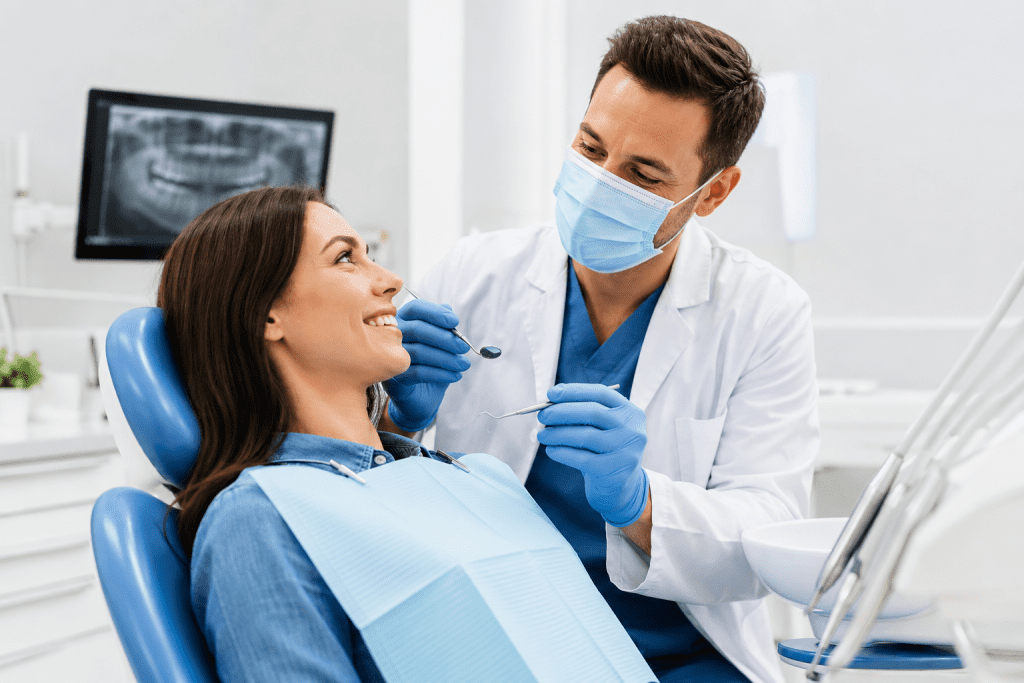
What to Expect During Your Emergency Visit
A receptionist or triage nurse typically asks about the injury, pain level, medical history, and current medications. This helps the team prioritize care and flag any allergic reactions or bleeding risks before the clinician sees the patient.
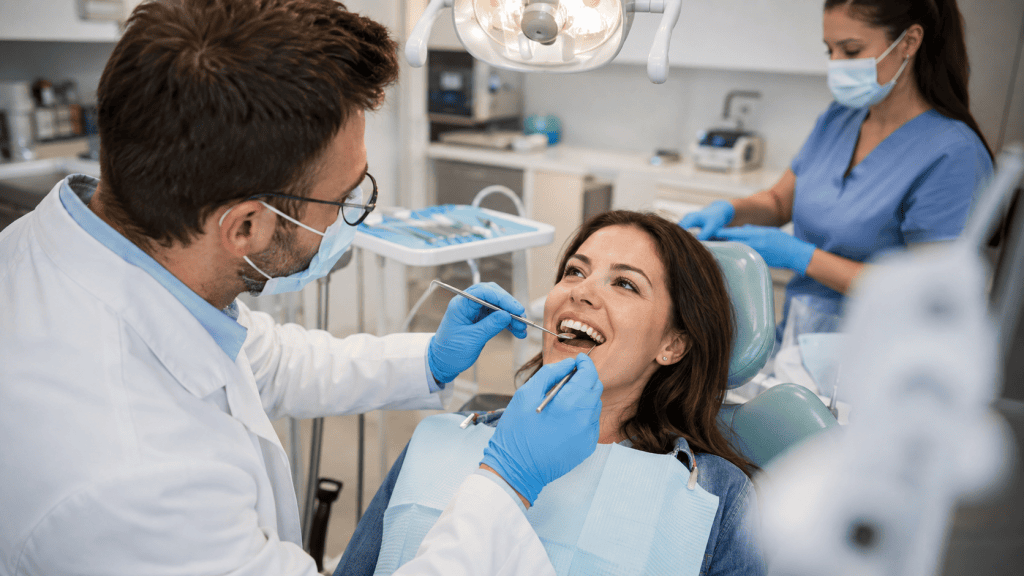
The dentist performs a focused exam and often takes a periapical or panoramic X-ray to check tooth roots, fractures, and jaw involvement. For visible trauma, they inspect soft tissues and tooth position; for severe pain without obvious signs, they test percussion, mobility, and cold sensitivity.
Treatment decisions balance immediate relief and long-term outcomes. Common first-step actions include local anesthesia, cleansing and suturing of lacerations, temporary splinting of loosened teeth, and pulpal protection or root canal referral for exposed nerve tissue. If infection or fracture requires specialist care, clinics arrange same-day or rapid referrals.
Advanced Equipment and Techniques Used
Clinics use digital radiography for fast, low-dose imaging that reveals root fractures, abscesses, and bone loss. Cone-beam CT scans are available in some practices for complex jaw or implant-related emergencies to map 3D anatomy precisely.
Rubber dam isolation and high-speed suction control moisture and reduce contamination during restorative or endodontic procedures. For severe bleeding, electrocautery and hemostatic agents (e.g., collagen sponges) control hemorrhage quickly and safely.
When infection is present, dentists can prescribe targeted antibiotics and perform incision-and-drainage under local anesthesia. For complicated root involvement, same-visit pulpectomy or temporary pulpotomy can protect the nerve until definitive root canal therapy is available. Clinics also maintain emergency kits with analgesics, local anesthetics, and oxygen for medical complications.
Comfort and Anxiety-Reducing Measures
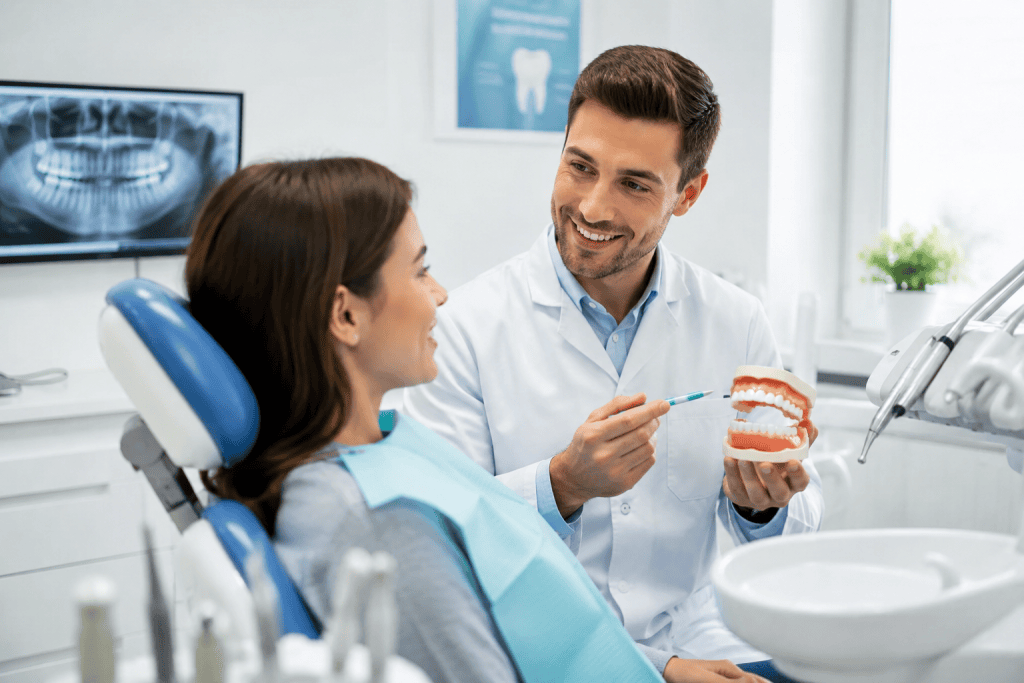
Clinics prioritize clear communication: staff explain findings, options, and expected sensations before starting any procedure. This reduces fear by setting realistic expectations and giving patients control.
They offer multiple comfort options such as nitrous oxide for mild-to-moderate anxiety and oral sedation for more nervous patients. Topical numbing gels and buffered local anesthetics minimize injection discomfort, and distraction techniques (music, TV) help relieve stress during treatment.
For children or patients with special needs, clinics schedule quieter appointment times and use behavior-focused methods like tell-show-do. Staff also follow up after the visit with care instructions and a phone check to confirm pain is controlled and healing is progressing.
Most Common Urgent Dental Situations
These urgent dental problems require prompt attention to relieve pain, stop infection, or save teeth. Each subsection explains what to watch for, immediate steps a patient can take, and typical treatments a dentist in Bakersfield might provide.
Severe Toothaches
Severe toothaches often signal inflammation of the pulp, a deep cavity, or a cracked tooth. Patients describe constant throbbing, sharp pain when biting, or pain that wakes them at night. Pain can radiate to the jaw, ear, or temple; swelling may appear around the affected tooth.
Immediate steps include rinsing with warm salt water, flossing to remove trapped debris, and taking OTC pain relievers like ibuprofen per label directions. Avoid placing aspirin directly on the gum; that can burn tissues. A dentist will perform an exam and X-ray, then recommend either a filling, root canal therapy, or extraction depending on pulp involvement. Local anesthesia and sedation options keep the visit comfortable.
Dental Abscesses and Infection
A dental abscess is a pus-filled pocket caused by bacterial infection, usually from untreated decay or failed root canal. Symptoms include severe localized pain, swelling of the face or neck, fever, bad taste in the mouth, and sensitivity to pressure. Rapid progression can create systemic fever or difficulty breathing, which needs emergency medical care.
First actions are warm salt-water rinses and applying a cold compress to reduce swelling. Patients should avoid heat, which can spread infection, and seek same-day dental care. Treatment typically combines antibiotics to control infection and a definitive procedure—drainage, root canal, or extraction. Follow-up care monitors healing and manages complications like cellulitis.
Sports or Accident-Related Injuries
Traumatic dental injuries include chipped, fractured, displaced, or avulsed (knocked-out) teeth from falls, bike accidents, or contact sports. Pain, bleeding, loose or missing teeth, and cuts to the lips or tongue are common. Time matters: a knocked-out permanent tooth has the best chance of re-implantation if returned within an hour.
For a knocked-out tooth, hold it by the crown, rinse briefly if dirty, and try to reinsert into the socket if possible; otherwise keep it moist in milk or saliva and get to an emergency dentist immediately. For fractured teeth, preserve any broken fragments and bring them to the appointment. Treatment options range from bonding and crowns to splinting or root canal therapy, depending on injury severity and root integrity.
Modern Pain Relief and Numbing Options
Patients can expect several targeted strategies to control pain quickly and safely, from fast-acting topical agents to monitored sedation for severe anxiety or complex procedures.
Latest Methods for Comfort
Clinics in Bakersfield use topical anesthetic gels and sprays that numb gum tissue in 1–2 minutes, providing immediate relief for injections or surface pain.
Local infiltration with articaine or lidocaine remains the mainstay; these agents take effect in about 2–5 minutes and last 60–120 minutes, enough for most emergency extractions or pulp treatments.
For prolonged procedures, long-acting anesthetics such as bupivacaine may be chosen to reduce postoperative discomfort for 6–8 hours.
Peripheral nerve blocks (inferior alveolar or mental nerve) provide deeper numbness for multiple teeth or extensive work and reduce the need for repeated injections.
Clinics also offer buffered anesthetics that mix sodium bicarbonate with lidocaine to reduce the sting and speed onset.
Topical benzocaine is avoided for young children or methemoglobinemia risk patients; staff screen medical history before use.
Sedation Choices Offered Locally
Nitrous oxide (laughing gas) provides light, rapidly reversible sedation and anxiety relief.
It allows patients to remain awake and responsive while feeling relaxed; effects wear off within minutes after stopping the gas.
Oral sedatives like low-dose benzodiazepines (e.g., diazepam or triazolam) are used for moderate anxiety.
They require pre-visit instructions, a companion for transportation, and careful dosing based on medical history and current medications.
IV sedation delivers deeper, titratable sedation for complex extractions or patients with severe dental phobia.
Monitored by trained staff, IV sedation maintains patient safety through continuous vital-sign tracking and oxygen supplementation.
Local practices screen for medical conditions, allergies, and medication interactions before selecting sedation.
They explain risks, obtain consent, and provide post-sedation recovery instructions, including when to resume driving, eating, and routine medications.
How to Prevent Future Emergencies
Routine care, protective equipment, and timely checkups reduce the chance of sudden dental crises. Simple, consistent habits can prevent cracks, infections, and tooth loss that lead to emergency visits.
Protective Gear for Sports
Athletes should use a properly fitted mouthguard every time they play contact or high-impact sports. A custom mouthguard from a dentist offers better fit and protection than store-bought boil-and-bite types and reduces the risk of tooth fractures, knocked-out teeth, and soft-tissue injuries.
For youth sports, parents should ask the dentist about growth-friendly options that can be adjusted as the child develops. Players of skateboarding, hockey, football, basketball, and martial arts benefit most from guards; even recreational cycling and skateboarding merit protection.
When wearing orthodontic appliances, a special orthodontic mouthguard prevents brackets and wires from cutting the lips during a fall. Replace mouthguards every season or after significant wear, and store them in a ventilated case to prevent bacterial buildup.
Healthy Oral Hygiene Habits
Brushing with fluoride toothpaste twice daily and flossing once each day removes plaque that causes decay and gum disease. Use a soft-bristled brush and gentle, circular strokes for two minutes to protect enamel and soft tissue.
Limit sugary snacks and acidic drinks; choose water, milk, or unsweetened tea between meals to reduce acid attacks. If consuming sports drinks, rinse with water afterward and wait 30 minutes before brushing to avoid brushing softened enamel.
For those prone to dry mouth or acid reflux, discuss prescription-strength fluoride, saliva stimulants, or dietary adjustments with the dentist. Smoking cessation and reducing alcohol intake also lower the risk of periodontal disease and oral infections.
Regular Checkups and Early Detection
Schedule dental exams and professional cleanings every six months, or as the dentist recommends based on individual risk. These visits allow x-rays and visual exams to catch small cavities, hairline fractures, or gum disease before they become emergencies.
Patients with a history of root canals, large restorations, or bruxism should have targeted monitoring—occlusal guards for grinding and periodic radiographs to detect hidden problems. Prompt treatment of early symptoms like persistent sensitivity, swelling, or a loose tooth prevents progression to abscesses or tooth loss.
If a patient notices signs between visits—new pain, a chip, or swelling—they should call the dental office promptly for an assessment. Most problems are easier and less costly to treat when addressed early.
Finding Trusted Emergency Dental Care Providers in Bakersfield
They should look for practices with clear emergency policies and extended hours. Reliable clinics list after-hours contact numbers and walk-in availability on their websites, which helps when pain or trauma strikes unexpectedly.
Credentials matter: check licenses, board affiliations, and years of emergency experience. Patient reviews offer practical insights into wait times, bedside manner, and how well staff manage pain and anxiety.
Ask about treatment scope before arriving — some offices handle extractions, root canals, and trauma, while others stabilize and refer. Knowing this saves time and reduces stress during an emergency.
Confirm accepted payment methods and insurance participation ahead of time. Many practices offer payment plans or urgent-care fees; asking upfront prevents surprises.
Use this quick checklist when comparing providers:
- Hours & contact: 24/7 or extended evenings/weekends
- Services offered: extractions, root canal, trauma care, sedation
- Patient feedback: recent reviews mentioning emergencies
- Insurance/payment: accepted plans and emergency fees
They should call the office to gauge responsiveness and staff empathy. A reassuring, prompt phone response often reflects the in-office experience.
If uncertain, contact multiple offices and prepare a short list with directions and what to bring: ID, insurance card, and a list of medications. This small preparation speeds care and improves comfort when urgent dental care is needed.
Navigating Payment and Insurance During Urgent Situations
Patients often worry about cost when a dental emergency happens, and staff at Bakersfield clinics understand that concern. They explain options calmly and clearly so decisions happen quickly and with less stress.
Most practices accept major dental insurance plans and will verify benefits before treatment when possible. If verification takes time, clinics typically proceed with essential pain relief or stabilization and submit claims afterward.
Many offices offer payment options such as:
- Credit card payments
- CareCredit or medical credit lines
- In-office payment plans with low or no interest
Patients should bring insurance cards and photo ID to speed processing. If someone lacks insurance, asking about discounted emergency fees or sliding-scale options can reduce immediate financial burden.
Documenting treatment and providing itemized receipts helps with later insurance claims or reimbursements. Clinics can often provide a pre-treatment cost estimate for non-life-threatening services to help patients decide.
For after-hours emergencies, confirm whether extra fees apply and whether the on-call dentist accepts insurance. Calling ahead when possible saves time, clarifies expectations, and lets the team prepare any necessary paperwork.
Patients are encouraged to contact their dental office with questions about coverage, payment plans, or financial aid; doing so makes urgent care smoother and less stressful.
Preparing Yourself and Your Family for the Unexpected
Keep a small emergency kit at home and in the car. Include gauze, sterile gloves, over-the-counter pain reliever, a small container for a knocked-out tooth, and the dentist’s after-hours number.
Teach family members simple first-aid steps for dental injuries. For a knocked-out tooth, they should handle only the crown, rinse gently, and try to place it back or store it in milk or saline.
Post important contact info where it’s visible: dentist, local emergency dental clinic in Bakersfield, pediatric dentist, and the nearest ER. A printed list helps when phones are lost or batteries die.
Plan transportation in advance for urgent visits. Know which clinics accept walk-ins, which offer late hours, and whether tele-dentistry consults are available for triage.
Discuss common scenarios and what to expect during emergency care. Explaining pain control options and possible treatments reduces anxiety and speeds decision-making.
Keep up with preventive care to reduce emergencies. Regular checkups, fluoride treatments, and mouthguard use during sports lower the chance of sudden problems.
Encourage family members to ask questions and save a trusted clinic’s contact for non-urgent guidance. They will feel more prepared and calm when the unexpected happens.
Encouragement to Reach Out for Help
They should not wait when dental pain or a damaged tooth disrupts daily life. Calling an emergency dental provider in Bakersfield CA can prevent small problems from becoming larger, more costly issues.
A prompt consultation often means faster relief and simpler treatment. Many clinics offer same-day appointments or after-hours care to address urgent needs.
Patients may fear cost or discomfort, but staff can explain payment options and pain-management choices clearly. Comfort and clear communication help reduce anxiety and make treatment easier to understand.
If symptoms include severe pain, uncontrolled bleeding, swelling that affects breathing or swallowing, or a knocked-out tooth, immediate action matters. Emergency teams know which steps stabilize the situation and preserve long-term oral health.
They can prepare by noting symptoms, any medications, and the time of injury or onset. Bringing relevant medical information and a photo of the injured area can speed diagnosis and treatment.
A quick phone call or online message connects patients with experienced clinicians who prioritize safety and comfort. They encourage contacting local emergency dental services to get timely, expert help and answers to questions.
Frequently Asked Questions
This section answers practical concerns patients commonly face: what qualifies as an urgent problem, safe at-home measures for pain or swelling, steps after a knocked-out or badly chipped tooth, availability of after-hours care, typical payment options including Medi-Cal, and what happens during a same-day emergency visit.
What counts as a true dental emergency, and when should I go in right away versus wait until morning?
A true dental emergency includes uncontrolled bleeding, severe facial swelling that affects breathing or swallowing, a fever with dental pain, trauma causing a tooth to be completely displaced, or a tooth that is loose and causing inability to eat or speak. Patients should seek immediate care if there is any airway compromise, heavy bleeding, or rapidly spreading infection.
Less urgent but still important issues include persistent toothache without fever, minor chips without sharp edges, or lost crowns that don’t cause severe pain. Those can often wait for the next available appointment the same day or next morning, but patients should contact a dentist for guidance.
How can I manage tooth pain or swelling at home safely until I’m seen by a dentist?
For pain, use over-the-counter ibuprofen or acetaminophen per package directions unless contraindicated by a provider. Apply a cold pack to the cheek in 10-minute intervals to reduce swelling and pain.
Rinse gently with warm salt water (½ teaspoon salt in 8 ounces of water) several times a day to clean the area. Avoid placing aspirin directly on the gum or tooth; that can burn tissue.
What should I do if I knock out a tooth or chip one badly, and how quickly do I need care?
If a permanent tooth is completely knocked out, pick it up by the crown (not the root), rinse gently without scrubbing, and try to reinsert it into the socket if possible. If reinsertion isn’t possible, store the tooth in milk, saline, or the patient’s saliva and see a dentist within 30–60 minutes for the best chance of saving it.
For a badly chipped tooth, preserve any fragments and see a dentist within 24 hours. Repair options depend on the chip size and location and may include bonding, veneers, or a crown.
Can I find a dentist who can see me after hours or on weekends for urgent dental problems?
Many dental offices in Bakersfield maintain on-call schedules, offer evening or weekend emergency shifts, or operate urgent-care dental clinics staffed for same-day problems. Patients should call local offices; voicemail or office websites often list after-hours contact numbers and next-available appointment options.
Hospital emergency departments can handle life-threatening facial trauma or severe infections, but they may not provide definitive dental restorations. Dentists often coordinate follow-up definitive care after stabilization.
Do emergency dental visits accept Medi-Cal or other coverage, and what payment options are usually available?
Some emergency dental providers accept Medi-Cal (Denti-Cal) for covered emergency services, but acceptance varies by clinic. Patients should call ahead to confirm participation and to learn which emergency procedures are covered.
Most emergency dental offices accept private insurance, cash, credit cards, and may offer sliding-scale fees, payment plans, or financing for uninsured patients. Staff typically discuss costs and insurance before treatment when possible.
What can I expect during an emergency dental visit, and what treatments are commonly done the same day?
The visit begins with a focused exam, medical history review, and any necessary X‑rays to assess infection, fracture, or trauma. The dentist will address immediate pain and infection with procedures such as tooth extraction, root canal therapy for salvageable teeth, incision and drainage for abscesses, or temporary restorations.
Local anesthesia is commonly used for comfort, and dentists will explain follow-up care, prescriptions (antibiotics or pain medication), and referrals for definitive restorative work if needed. Patients usually get clear home-care instructions and a plan for any additional appointments.