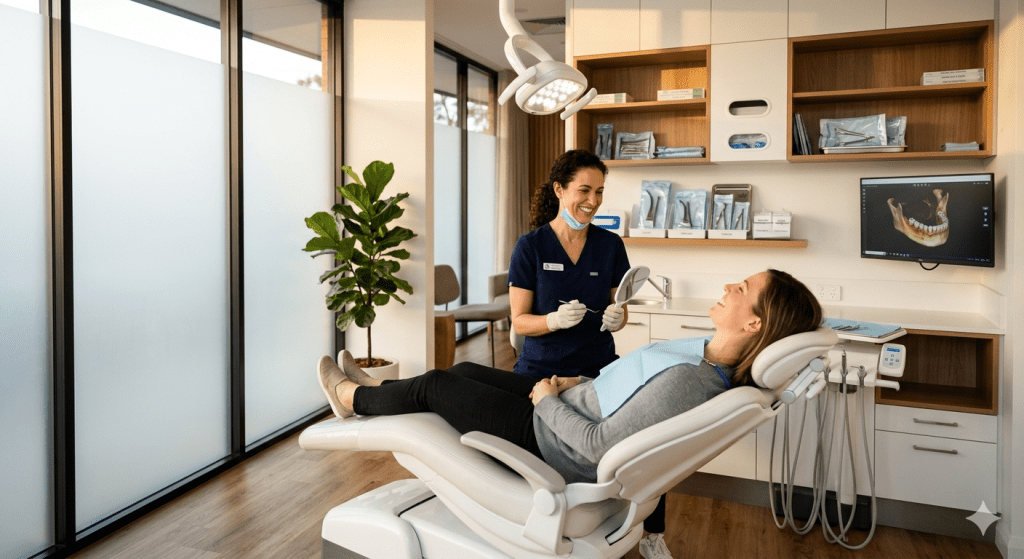
If you’re considering orthodontic services in Bakersfield, CA, you’ll find clear options for straightening teeth, improving bite function, and enhancing confidence close to home. Local practices offer modern braces and clear aligners, personalized treatment planning, and supportive care to make treatment comfortable and effective. You can expect straightforward explanations of your orthodontic needs, step-by-step guidance …
If you’re considering orthodontic services in Bakersfield, CA, you’ll find clear options for straightening teeth, improving bite function, and enhancing confidence close to home. Local practices offer modern braces and clear aligners, personalized treatment planning, and supportive care to make treatment comfortable and effective.
You can expect straightforward explanations of your orthodontic needs, step-by-step guidance through treatment choices, and help navigating insurance and financing. They focus on patient comfort, family-friendly support, and practical next steps so you feel confident taking the first step toward a healthier smile.
Understanding Orthodontic Needs
Orthodontic concerns often show up as crooked teeth, bite problems, or jaw discomfort that affect eating, speaking, or confidence. Timely assessment and personalized treatment plans help restore function and improve long-term oral health.
Common Signs You May Need Treatment
Patients who notice persistent crowding, visible gaps, or teeth that twist or overlap should consider an orthodontic evaluation. Difficulty biting cleanly, frequent cheek or tongue biting, and speech changes—such as lisping—can indicate alignment issues that benefit from correction.
Parents should watch for prolonged thumb-sucking, mouth breathing, or early loss of baby teeth, which can redirect jaw growth. Adults often report uneven wear on teeth, chronic jaw pain, or shifting teeth after previous treatment; these are valid reasons to seek re-evaluation.
A clinical exam, dental X-rays, and digital scans clarify whether braces, clear aligners, or appliance therapy suits the case. The dentist or orthodontist will outline expected timelines and maintenance needs, so patients know what to expect during treatment.
Benefits of Early Intervention
Treating misalignment during childhood or early adolescence can guide jaw growth and reduce the need for tooth extractions later. Interceptive treatments—like palatal expanders or functional appliances—can create space, correct crossbites, and reduce trauma to protruding front teeth.
Early care often simplifies later orthodontic work and shortens total treatment time. It can also prevent habits from becoming entrenched and minimize the risk of developing temporomandibular joint (TMJ) problems.
Early intervention emphasizes monitoring and timely action rather than rushing into braces. The team will recommend growth-stage-appropriate options, balancing effectiveness with comfort and esthetic concerns.
How Malocclusion Affects Oral Health
Malocclusion changes how teeth contact during chewing, which increases concentrated wear on certain teeth and raises the risk of enamel erosion and fractures. Misaligned teeth create tight, hard-to-clean spaces that trap plaque, leading to higher rates of cavities and gum inflammation.
Bite problems can strain jaw muscles and joints, producing headaches, jaw pain, and difficulty opening the mouth fully. Severe malocclusion may impair chewing efficiency and contribute to digestive discomfort from poorly chewed food.
Correcting alignment improves oral hygiene access, distributes bite forces evenly, and reduces long-term restorative needs. The orthodontic team will explain specific health implications for each patient and recommend treatment that balances function, appearance, and comfort.
Personalized Treatment Planning
This practice builds treatment plans around each patient’s dental anatomy, lifestyle, and goals. It emphasizes clear timelines, cost estimates, and comfort measures so families and adults can decide with confidence.
Initial Consultation and Assessment
The initial visit includes a full oral exam, digital X-rays, and intraoral photos to document tooth position and jaw relationships. The orthodontist performs a bite analysis and measures tooth alignment, crowding, and arch width to identify issues like crossbite, overjet, or impacted teeth.
They review medical and dental history, discuss past orthodontic work, and ask about habits such as thumb-sucking or sports participation that affect appliance choices. The team explains estimated treatment length, potential need for extractions, and whether growth modification or jaw surgery might be considered for severe skeletal problems.
Patients receive a written treatment plan with options, projected costs, and appointment frequency. Comfort options—nitrous oxide, topical anesthetic, and appointment pacing—are described to reduce anxiety for children and adults.
Customized Solutions for All Ages
For children, plans often focus on guiding jaw growth and creating space for permanent teeth using expanders, partial braces, or growth-friendly appliances. Timing matters; early interceptive care can prevent extraction or surgery later.
Teen plans typically use fixed braces or clear aligners, with attention to eruption patterns and space management. The orthodontist coordinates with other dental providers if impacted canines or extractions are required.
Adult treatment emphasizes esthetics and periodontal health. Options include clear aligners, ceramic braces, and shorter-term orthodontics for cosmetic concerns. The team accounts for restorations, crowns, and bone levels, adjusting mechanics to protect existing dental work.
Each plan includes retention strategies—fixed or removable retainers—and a follow-up schedule to maintain results long-term. Patients are encouraged to ask about financing, expected discomfort, and emergency protocols before treatment begins.
Types of Braces and Aligners
Patients can choose from metal, ceramic, or clear plastic systems, each with trade-offs in visibility, cost, and treatment control. The right choice depends on bite complexity, aesthetics, budget, and daily habits like sports or instrument playing.
Traditional Braces Explained
Traditional braces use metal brackets bonded to teeth and connected by wires that the orthodontist tightens periodically. They offer strong mechanical control for complex issues such as severe crowding, large bite corrections, or rotated teeth.
Appointments usually occur every 4–8 weeks to adjust wires and monitor movement. Stainless steel brackets are durable and typically the most affordable option; some practices offer smaller, lower-profile brackets for improved comfort.
Patients should expect initial soreness after adjustments and a need to avoid very hard or sticky foods. Oral hygiene requires careful brushing and interdental cleaning around brackets to prevent staining and cavities.
Clear and Ceramic Braces
Ceramic braces use tooth-colored or clear brackets that blend with enamel, making them less noticeable than metal. They provide similar force as traditional braces for many cases but can be slightly more brittle and may wear faster on the wire.
These braces suit adults and teens who want reduced visibility without switching to removable aligners. They may cost more than metal braces and sometimes require more frequent monitoring to check for bracket integrity.
Staining of elastic ties can occur if the patient consumes coffee, tea, or tobacco, but replacing ties at adjustment visits keeps appearance tidy. Ceramic options still require the same hygiene diligence as metal braces.
Discreet Options Like Invisalign
Invisalign and similar clear aligner systems use a series of custom, removable plastic trays that gradually shift teeth. They work well for mild to moderate crowding, spacing, and some bite corrections, but complex tooth rotations or large vertical movements may need traditional braces.
Patients wear aligners about 20–22 hours per day and switch trays every 1–2 weeks; adherence directly affects treatment time and outcomes. Aligners allow normal brushing and flossing, and eating without appliance restrictions, which many adults find convenient.
Regular in-office or teledentistry check-ins ensure trays fit and progress stays on track. Clear aligners can cost similar to or more than braces depending on case complexity and provider, so a consultation clarifies expectations and pricing.
What to Expect During Treatment
Patients will move through a predictable schedule of visits, gradual adjustments, and routine checks. They can expect initial setup, regular tightening or aligner changes, and periodic progress reviews to keep treatment on track.
Timeline and Adjustment Appointments
Most orthodontic cases in Bakersfield run between 9 and 30 months depending on complexity. Simple crowding or minor spacing often finishes closer to the 9–12 month range, while two-phase growth cases or significant bite correction can extend toward 24–30 months.
Initial bonding or fitting takes about 60–90 minutes. Metal or ceramic braces require brackets glued to teeth and an archwire; clear aligner starts involve impressions or a 3D scan and delivery of the first set. Adjustment appointments typically occur every 4–8 weeks for braces, and aligner patients switch trays every 1–2 weeks with clinic checks every 6–12 weeks.
Appointment length for routine adjustments is usually 15–30 minutes. More involved visits—rebonding a bracket, adding springs, or taking new scans—may take 30–60 minutes. The office will provide a specific schedule at the first visit and update it if treatment pace changes.
Comfort Tips and Home Care
Expect mild soreness for 24–72 hours after initial fitting and after each adjustment. Over-the-counter ibuprofen or acetaminophen taken as directed usually manages discomfort; a cold pack applied to the cheek for 10–15 minutes can reduce swelling.
Brush teeth after every meal using a soft-bristle brush and interdental brushes or floss threaders for braces. Clear aligner wearers should remove trays to eat and brush teeth before reinserting; store aligners in their case to avoid loss. Avoid hard, sticky, or chewy foods—nuts, popcorn, caramel, and bagels—since these can break brackets or bend wires.
Use orthodontic wax to cover sharp edges that irritate lips or cheeks. For emergency issues like a loose bracket or severe pain, contact the clinic promptly; many offices reserve same-day or next-day slots for urgent problems. Regular hydration and a soft-food plan for the first couple of days after adjustments help patients stay comfortable.
Monitoring Progress
Orthodontists track tooth movement with photographs, x-rays, and periodic intraoral scans every 3–6 months. These records show alignment changes and help determine if mid-course corrections—like power chains, elastics, or bite ramps—are necessary to meet treatment goals.
Progress appointments include a quick exam of brackets, wires, attachment wear, and gum health. The clinician assesses compliance for aligner patients by checking wear patterns and plaque levels. If movement stalls, the team may adjust force levels, reorder trays, or recommend adjuncts such as temporary anchorage devices for targeted tooth movement.
Patients receive clear milestones—expected dates for space closure, mid-treatment evaluations, and an estimated removal date. The practice invites questions at each visit and often provides digital updates so families can see measurable improvements between appointments.
Supportive Services for Families
Families receive coordinated care that balances clinical needs with comfort and convenience. The practice offers child-focused appointments, flexible scheduling, and adult-friendly options so every family member can access timely orthodontic care.
Pediatric and Teen-Focused Care
The office provides early evaluations for children as young as seven to identify growth problems and plan interceptive treatments like space maintainers or guided jaw development. Clinicians explain X‑ray findings with age-appropriate models and photos so parents understand why observation or early intervention is recommended.
For teens, the practice emphasizes aesthetic and lifestyle-friendly approaches: clear ceramic braces, low‑profile metal brackets, and Invisalign Teen with eruption tabs for developing teeth. Staff train patients on oral hygiene with hands-on demonstrations, fluoride varnish applications when needed, and short instructional videos to reduce bracket breakage and cavity risk.
Appointments sync with school schedules and extended evening hours reduce missed classes. The team communicates progress through secure online portals and sends appointment reminders by text, helping busy families stay on track.
Adult Orthodontic Support
Adults receive a thorough assessment that covers periodontal health, crown and bridgework, and the feasibility of tooth movement with clear aligners or lingual braces. The practice coordinates with a patient’s general dentist to manage restorations or gum treatment before starting orthodontics.
Treatment plans prioritize discreet options—clear aligners, tooth‑colored brackets, and shorter refinement phases when possible. The office offers payment plans, insurance filing assistance, and pre-treatment cost breakdowns so adults can make informed financial choices.
Comfort measures include nitrous oxide for anxiety, customized mouthguards for TMJ patients, and retention strategies tailored to lifestyle, such as clear bonded retainers or removable retainers with replacement programs. Staff encourage questions and schedule follow‑ups to maintain results and oral health.
Insurance and Financing Options
Most patients want clear information on what insurance covers and how to afford treatment. This section explains typical plan features and payment choices so families in Bakersfield can plan confidently.
Navigating Dental Coverage
Patients should check whether their employer or individual dental plan includes orthodontic benefits and what limits apply. Common details to confirm: lifetime maximums for braces, age limits for coverage, waiting periods, and whether in-network providers receive higher reimbursement.
Orthodontic coverage often pays a percentage (50% is common) toward treatment after any deductible is met, up to a plan’s lifetime cap. Pre-authorization is usually required; the practice can submit a treatment plan and X-rays to verify benefits before work begins.
Medicaid (Medi-Cal) in California can cover medically necessary orthodontics for children in certain circumstances, but eligibility and covered treatments vary by county. Many Bakersfield offices help patients verify benefits and estimate out-of-pocket costs during the initial visit.
Flexible Payment Plans
Many orthodontic practices in Bakersfield offer low- or no-interest monthly payment plans tailored to treatment length. Typical plans split the total fee into equal monthly payments over the expected treatment time, often with a down payment between $0 and $1,000 depending on the office and provider.
Third-party financing options such as CareCredit or LendingClub provide extended terms and promotional interest rates; patients should compare total cost, monthly payments, and penalties for missed payments. Offices often combine insurance reimbursement with financing so the patient pays only the estimated balance each month.
Ask about discounts for paying in full, family rates for multiple siblings, and early-pay incentives. The practice’s financial coordinator can produce a written estimate showing insurance allowances, expected patient responsibility, and payment schedule to sign before treatment starts.
Choosing a Local Orthodontic Provider
They should check credentials first. Look for board certification, state licensure, and memberships in professional organizations to confirm proper training.
Patients benefit from providers who combine experience with modern technology. Ask if the office uses digital scans, 3D imaging, or clear aligner systems that can speed diagnosis and improve comfort.
Comfort and communication matter as much as technical skill. Friendly staff, clear explanations of treatment steps, and sensitivity to anxiety help patients feel more at ease during visits.
Compare services and financing options before deciding. Many practices offer flexible payment plans, insurance coordination, and periodic promotions; a short phone call can clarify costs and coverage.
Read recent reviews and request before-and-after photos. Reviews reveal patterns of care and punctuality, while photos show real results for cases similar to the patient’s needs.
Visit the office for a consultation when possible. An in-person meeting lets patients evaluate the atmosphere, ask about appointment length, and discuss follow-up care.
Checklist for choosing a provider:
- Credentials and experience
- Treatment options and technology
- Communication style and patient comfort
- Cost transparency and payment plans
- Patient reviews and case photos
They should schedule a consultation to ask specific questions and feel confident about next steps.
Taking the First Step Toward a Healthy Smile
A friendly consultation helps patients feel at ease and understand their options. The orthodontist reviews medical and dental history, takes digital images, and explains potential treatment paths in plain language.
They discuss modern, comfortable options such as clear aligners, ceramic braces, and low-profile metal brackets. The team explains timelines, expected outcomes, and steps to manage discomfort so patients know what to expect.
Financial and scheduling concerns come up often; the office outlines payment plans, insurance coordination, and flexible appointment times. Clear cost estimates and written treatment plans reduce surprises and support decision-making.
Patients receive a simple checklist to prepare for the first visit:
- Bring insurance information and a list of medications.
- Note specific concerns or goals for treatment.
- Prepare any previous dental records if available.
Comfort and safety are prioritized throughout the process. The staff describes how they minimize pain, maintain hygiene with modern sterilization, and monitor progress with regular checkups.
A warm, supportive team makes the initial step straightforward and reassuring. They invite questions and encourage scheduling a consultation to begin personalized care.
Frequently Asked Questions
This section answers practical concerns about diagnosis, treatment options, duration, comfort, cost, and daily care for orthodontic patients in Bakersfield. It focuses on signs to seek care, differences between braces and aligners, typical timelines, pain management, financing, and oral hygiene adjustments.
How do I know if I (or my child) actually need braces or aligners?
A dentist or orthodontist evaluates bite alignment, crowding, spacing, and jaw growth with a clinical exam, X-rays, and photographs. Common signs include difficulty biting or chewing, speech changes, persistent thumb-sucking, visible crowding, or gaps that won’t close.
Children often get screened around age 7 to catch growth issues early, while teens and adults can start treatment anytime if tooth movement or jaw pain exists. A consultation provides a personalized recommendation and treatment timing based on growth, dental health, and cosmetic goals.
What’s the difference between traditional braces and clear aligners, and how do I choose?
Traditional braces use brackets and wires bonded to teeth to move them precisely; they work well for complex or severe bite problems. Clear aligners are removable, nearly invisible trays best for mild-to-moderate tooth movement and patients who value aesthetics and easier oral hygiene.
Choice depends on case complexity, patient discipline, and lifestyle. The orthodontist will review X-rays and models, then recommend the option that balances efficiency, appearance, and predictability for the patient’s specific needs.
How long does orthodontic treatment usually take from start to finish?
Most cases finish in 12 to 24 months, though simple aligner treatments can sometimes take 6 to 12 months and complex cases may require 2 years or more. Initial consultation, records, active movement, and retention all affect the timeline.
Compliance with appointments and, for aligners, wearing trays 20–22 hours daily, shortens treatment. The orthodontist gives an estimated timeline and updates progress at regular visits.
Will getting braces or aligners hurt, and what can I do to stay comfortable?
Some soreness occurs after adjustments or when starting a new aligner set; it typically lasts 2–5 days and feels like pressure rather than sharp pain. Over-the-counter pain relievers, soft foods, and orthodontic wax for bracket irritation help manage discomfort.
Clear aligners usually cause less soft-tissue irritation than braces but still create pressure during tooth movement. Communicating pain or persistent sores to the orthodontist ensures timely adjustments or solutions.
How much does treatment typically cost, and what payment or financing options are available?
Treatment costs in Bakersfield commonly range from $3,000 to $7,000 depending on method, case complexity, and provider experience. Clear aligner plans and ceramic braces often cost more than metal braces.
Most practices offer payment plans, third-party financing, and accept dental insurance covering orthodontics partially for children and sometimes adults. The office provides a written estimate and reviews financing options during the consultation.
What changes will I need to make for brushing, flossing, and food choices during treatment?
Braces require brushing after every meal, using interdental brushes to clean between wires, and flossing with a threader or water flosser to prevent decay and gum inflammation. Patients should avoid sticky, hard, or chewy foods like caramel, hard candy, and popcorn kernels.
Aligner wearers should remove trays for eating and brush before reinserting to avoid staining and decay; clean aligners daily with a soft brush and lukewarm water. Regular hygiene and professional cleanings keep treatment on schedule and protect long-term results.