If someone is considering Invisalign in Bakersfield, CA, one of the first questions they ask is about the cost. Invisalign prices here typically range from $3,500 to $7,500, depending on factors like the complexity of the case and the length of treatment. Understanding these numbers upfront helps patients plan without surprises. The price usually covers …
If someone is considering Invisalign in Bakersfield, CA, one of the first questions they ask is about the cost. Invisalign prices here typically range from $3,500 to $7,500, depending on factors like the complexity of the case and the length of treatment. Understanding these numbers upfront helps patients plan without surprises.
The price usually covers the clear aligners, regular check-ups, and adjustments to ensure the treatment stays on track. Many offices offer payment plans or financing options to make Invisalign more accessible, which can ease the financial commitment.
Knowing what affects the cost and what’s included gives a clearer picture before making decisions about straightening teeth. If questions come up or personalized details are needed, consulting with a local specialist remains the best step.
What Affects Invisalign Pricing in Bakersfield
Several factors influence the cost of Invisalign treatment in Bakersfield. These include how crooked or misaligned the teeth are, how long the treatment will take, and the number of aligners needed to achieve the desired results. Each plays a key role in determining the final price.
Complexity of Tooth Alignment
The severity of misalignment affects Invisalign pricing significantly. Mild cases, like minor crowding or gaps, require fewer adjustments. These are usually less costly because the treatment is simpler and faster.
More complex alignment issues, such as severe crowding, rotations, bite problems, or teeth out of place, require more precise and frequent adjustments. This complexity means more detailed planning and monitoring, which can increase costs.
The dentist or orthodontist evaluates scans and X-rays to determine how complex the case is. They customize a treatment plan accordingly. The more complex the case, the higher the price due to the additional care and oversight involved.
Treatment Duration
The length of Invisalign treatment influences the total price. Shorter treatments lasting under six months often cost less because they require fewer appointments and aligners.
Longer treatments, which can take 12 to 18 months or more, naturally involve greater costs. This is due to extended use of aligners and continued checkups needed to ensure progress.
If a patient requires refinements, or if treatment slows, the cost may rise. Bakersfield providers will often discuss expected treatment length upfront so patients can plan accordingly.
Required Number of Aligners
The number of Invisalign aligners needed directly impacts cost. Each aligner is a custom-made tray that gradually shifts teeth into place.
Simple cases might need 12 to 20 aligners. Complex treatments can require 30 or more, depending on tooth movement.
More aligners mean more materials and lab work, which add to the price. Additionally, replacement aligners due to loss or damage can increase total expenses.
Patients should ask their provider about how many aligners are likely necessary during their consultation to get a clearer idea of costs.
Comparing Invisalign and Traditional Braces
When deciding between Invisalign and traditional braces, many factors come into play, such as costs and how the treatment feels day-to-day. These details often shape a patient’s comfort and budget throughout the process.
Cost Differences
Invisalign in Bakersfield typically costs between $3,500 and $7,000, depending on case complexity. Traditional braces usually fall in a similar range but can start slightly lower, around $3,000.
Insurance often covers part of both treatments, but coverage may vary by provider and plan. Invisalign’s higher price is partly due to the technology and custom aligners made from clear plastic.
Additional expenses like retainers or follow-up visits may also differ. Traditional braces might require fewer replacement visits, while Invisalign users need timely replacement of aligners every 1-2 weeks, potentially increasing overall cost if visits aren’t managed well.
Treatment Experience
Invisalign offers a discreet and removable option, making eating and oral hygiene easier. Patients appreciate not having metal brackets or wires, which can cause irritation.
Traditional braces, fixed to the teeth, require more caution with food choices and thorough cleaning to prevent issues. However, they may be preferred for complex dental movements, as they provide continuous control without needing patient compliance.
Appointments for Invisalign often focus on monitoring progress and receiving new aligners. Braces require adjustments every 4-6 weeks, which can sometimes cause discomfort but allow close hands-on control.
Insurance Coverage and Financial Options
Understanding how insurance and payment options work can help make Invisalign treatment in Bakersfield more affordable and manageable. Many patients find a mix of dental insurance coverage and flexible spending tools useful to reduce out-of-pocket costs.
Types of Dental Insurance Plans
Dental insurance plans vary widely in what they cover for Invisalign. Some preventive and basic plans exclude orthodontics like Invisalign entirely, while others offer partial coverage under orthodontic benefits. It’s common for plans to cover only children’s orthodontics, so adult Invisalign cases may need a separate rider or supplemental plan.
Patients should check if their plan has an orthodontic lifetime maximum, often ranging from $1,000 to $3,000, which can limit benefits. Some insurers require pre-approval or proof that Invisalign is medically necessary. It’s best to contact the insurance provider directly and ask about coverage specifics for clear aligners in Bakersfield.
Flexible Spending Accounts and Health Savings Accounts
Flexible Spending Accounts (FSAs) and Health Savings Accounts (HSAs) are tax-advantaged tools that can help cover Invisalign costs. Both allow patients to use pre-tax dollars for qualified medical expenses, including orthodontic treatments.
The key difference: FSAs are employer-established and usually have a use-it-or-lose-it policy each year, meaning unused funds may expire. HSAs are linked to high-deductible health plans and allow unused money to roll over indefinitely, often making them more flexible for ongoing treatments.
Patients should verify with their plan administrators that Invisalign qualifies as an eligible expense. Using an FSA or HSA can significantly reduce the financial burden and simplify payments for Invisalign in Bakersfield.
Payment Plans and Financing Solutions
Many Invisalign providers in Bakersfield offer flexible payment options to help patients manage the cost. Understanding how to spread out expenses or use third-party services can make treatment more accessible.
In-Office Financing
Some dental offices provide in-office financing that breaks down the total Invisalign cost into smaller monthly payments. These plans often require low or no down payment and may have interest-free periods depending on the provider.
Patients appreciate the convenience of handling payments directly with their dentist. The office staff usually works with each patient to tailor a plan based on individual budgets, making Invisalign more affordable over time. Terms typically range from 6 to 24 months.
It’s important to ask about any fees or interest rates that might apply after the initial period. Clear communication about the payment schedule and total cost helps avoid surprises later.
Third-Party Payment Providers
Many Bakersfield Invisalign patients use third-party financing companies like CareCredit or LendingClub to fund their treatment. These services offer loans specifically for healthcare expenses, including orthodontics.
With these providers, patients can apply online and often get quick approval. Plans range widely, with some offering 0% interest for 6 to 12 months, while others may have longer repayment periods with interest.
Using third-party providers means paying monthly to the finance company instead of the dental office. This option can offer more flexibility but requires careful review of the terms and interest rates to avoid higher costs over time.
Patients should compare in-office financing versus third-party loans to determine which option fits their financial situation best.
Additional Factors Influencing Cost
Several key elements can affect the overall price of Invisalign treatment in Bakersfield. These include the patient’s age and the complexity of their orthodontic needs, as well as the experience level of the dental provider managing the case.
Age and Orthodontic Needs
Younger patients, like teens, often have quicker and simpler treatment plans because their teeth and jaws are still developing. This can mean a lower cost compared to adults who might face more complex issues such as bone remodeling or longer treatment times.
For adults, problems like overcrowding, gaps, or bite misalignment can take longer to correct. These cases may require additional aligners or even supplementary treatments like attachments or refinements, which add to the total cost. Clear communication about your specific dental condition helps patients understand their treatment timeline and expenses clearly.
Expertise of Your Dental Provider
The skill and reputation of the provider play a significant role in Invisalign pricing. Experienced orthodontists or dentists with advanced training in Invisalign may charge higher fees due to their specialized knowledge and proven treatment success.
Providers with a strong local reputation in Bakersfield often invest in the latest technology and personalized care, which can reflect in the treatment cost. However, this expertise can also translate to more efficient progress and potentially fewer office visits, balancing the overall value for the patient. Patients should check provider qualifications and ask about their Invisalign experience during consultations.
What to Expect During Your Consultation
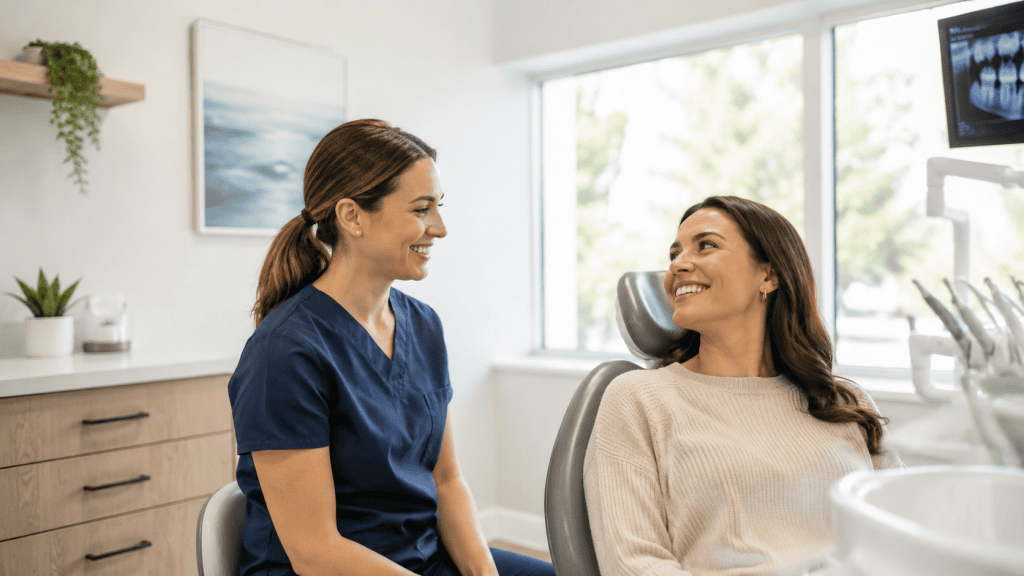
During the consultation, patients receive a thorough review of their smile and a tailored plan for Invisalign treatment. This process ensures clarity on goals, timelines, and costs while addressing any concerns.
Initial Smile Assessment
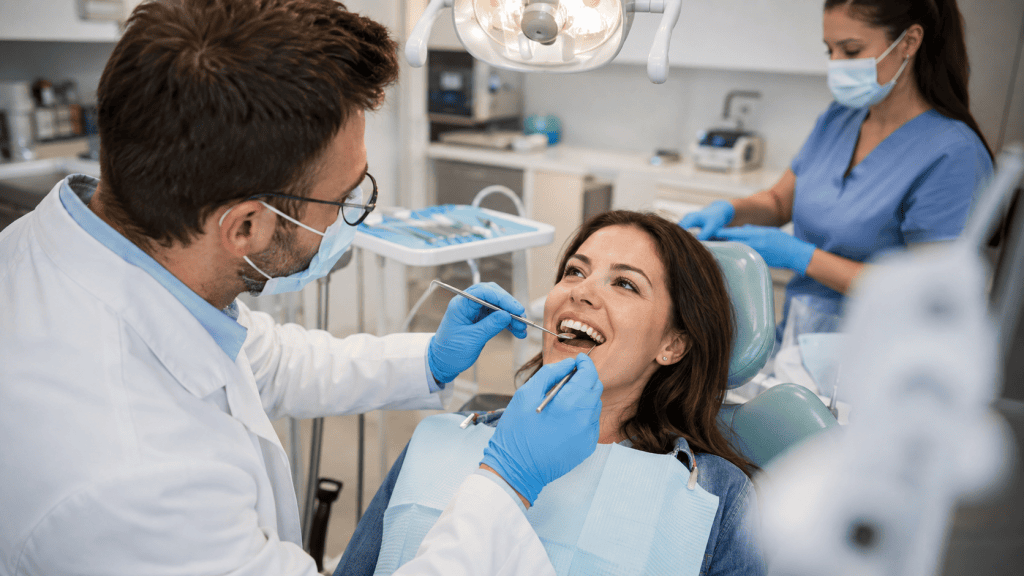
The dentist begins by examining the patient’s teeth, bite, and jaw alignment to identify any issues Invisalign can address. This assessment includes visual inspection and possibly digital scans or X-rays for a detailed look at tooth positioning.
Patients will discuss their dental history and any discomfort or concerns they have. This helps the provider understand the full picture and recommend the best approach.
The initial exam is painless and focused on understanding the unique needs of each patient. It sets the stage for realistic expectations about the treatment duration and results.
Personalized Treatment Planning
After the assessment, the dentist explains how Invisalign will work for the patient specifically. They use computer imaging to show projected tooth movement and final outcomes.
A customized treatment schedule is created, detailing how often aligners change and expected overall timeline. Costs are reviewed, including breakdowns for consultations, aligner sets, and any additional visits.
The plan also covers patient responsibilities like wearing aligners for 20-22 hours daily and scheduling follow-ups to monitor progress. This personalized approach helps patients feel confident and informed about their Invisalign journey.
Taking the Next Step Toward Your Straighter Smile
Choosing Invisalign in Bakersfield, CA means embracing a modern, comfortable approach to teeth straightening. Many patients find the clear aligners easy to wear and remove, making daily life simpler compared to traditional braces.
Before beginning treatment, a consultation with a dental professional is essential. During this visit, the provider evaluates dental health, discusses goals, and answers any questions about the process, cost, and expected outcomes.
Here’s what patients can expect in the next steps:
| Step | Description |
|---|---|
| Initial Consultation | Assessment and treatment planning |
| Custom 3D Imaging | Creating precise aligner molds |
| Treatment Timeline | Clear schedule tailored to individual needs |
| Payment Options | Flexible plans to fit various budgets |
Patients should consider their lifestyle and commitment level when moving forward. Invisalign works best for those ready to wear aligners most of the day and attend regular check-ins.
Encouraging open communication with the dental team helps maintain comfort and progress. Asking questions about care, hygiene, and daily use benefits long-term success.
If someone feels ready to improve their smile discreetly and comfortably, scheduling a consultation in Bakersfield is a practical and friendly first step.
Frequently Asked Questions
Clear aligner treatment costs vary depending on several key elements, including the complexity of the case, the length of treatment, and the specifics of the dental office. Understanding how pricing works and what to expect during the process can make choosing Invisalign in Bakersfield easier.
What factors typically affect the total price of clear aligner treatment?
The severity of tooth misalignment is a major factor. More complex cases usually require longer treatment and more aligners, which increases cost.
Other factors include the experience of the orthodontist and whether the treatment requires additional procedures like attachments or interproximal reduction.
Is a consultation needed to get an accurate quote, and what happens during that visit?
Yes, a consultation is essential for an accurate cost estimate. During the visit, the dentist examines teeth and takes digital scans or impressions.
They also discuss treatment goals, review options, and outline a personalized plan with estimated timelines and fees.
Do clear aligners usually cost more than traditional braces, and why?
Clear aligners often cost slightly more due to their technology, material, and aesthetics. They offer convenience with removable trays, which adds to the price.
Traditional braces use metal brackets and wires that are usually less expensive but less discreet.
Are payment plans or monthly financing options commonly available for orthodontic treatment?
Yes, many dental offices provide flexible payment plans or monthly financing to spread out costs. This helps make treatment more affordable.
It’s worth asking about these options during the consultation to fit treatment within your budget.
Will dental insurance help cover orthodontic treatment for adults, and how can I check my benefits?
Adult orthodontic coverage varies by insurance plan. Some plans cover part of the cost, while others may not.
Patients should contact their insurer directly or ask their dental office to verify benefits before starting treatment.
What’s usually included in the treatment fee (like refinements, retainers, or follow-up visits)?
Typically, the treatment fee covers the aligners, regular check-ups, and aftercare like retainers.
Refinements or additional aligners may or may not be included, depending on the office’s policy. It’s best to confirm these details upfront.