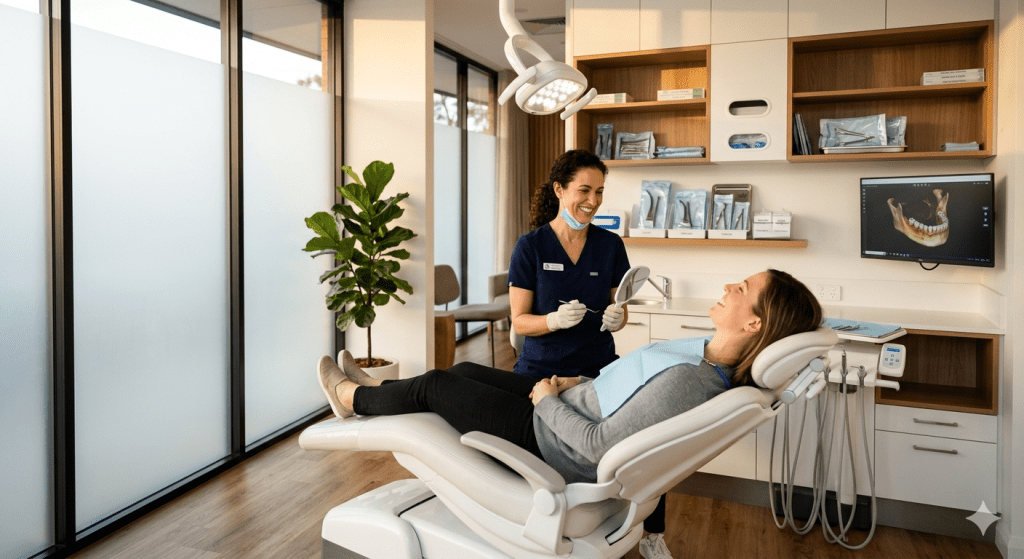
A professional dental cleaning can feel much easier when a patient knows what to expect. Whether it has been a short time or several years since the last appointment, a dental team should explain each step, listen to concerns, and help the patient feel comfortable. For anyone searching for a dental cleaning in Bakersfield, CA, …
A professional dental cleaning can feel much easier when a patient knows what to expect. Whether it has been a short time or several years since the last appointment, a dental team should explain each step, listen to concerns, and help the patient feel comfortable.
For anyone searching for a dental cleaning in Bakersfield, CA, this guide explains how cleanings work, what they may feel like, and why the recommended type of cleaning can differ from one person to another.
This article provides general educational information and is not a substitute for an examination or personalized advice from a dentist or dental hygienist.
What Is a Professional Dental Cleaning?

A professional cleaning removes plaque, tartar, and surface stains from the teeth. Plaque is a sticky film that develops throughout the day. Brushing and flossing help control it, but plaque that remains in place can harden into tartar, also called calculus.
Because tartar bonds firmly to tooth surfaces, it generally requires professional instruments for safe removal. A dental hygienist may use hand instruments, powered instruments, or a combination of both, depending on the patient’s needs and comfort.
A cleaning appointment is also an opportunity for the dental team to look for areas that may be difficult to reach at home. Patients can receive practical guidance on brushing, flossing, and cleaning around crowns, bridges, implants, orthodontic appliances, or other dental work.
What Happens During a Dental Cleaning and Exam?
Every visit is personalized, but a routine appointment commonly includes several steps.
Reviewing Health and Dental History
The team may begin by asking about medications, allergies, recent health changes, pregnancy, previous dental treatment, and current concerns. Patients should mention bleeding gums, sensitivity, pain, dry mouth, a loose tooth, or an area that feels different.
It is also helpful to discuss dental anxiety or sensitivity before treatment starts. This gives the team an opportunity to adjust the pace, explain instruments, or plan breaks.
Examining the Teeth and Gums
The dentist and hygienist may evaluate the teeth, existing fillings or crowns, gum tissue, bite, and other areas of the mouth. Gum measurements may be taken to help assess the spaces between the teeth and gums.
Dental X-rays may be recommended when clinically appropriate. They can provide information about areas that cannot be fully evaluated by looking in the mouth alone. The timing and type of X-rays depend on factors such as oral health history, age, symptoms, and cavity or gum-disease risk.
Removing Plaque and Tartar
The hygienist carefully removes deposits from the tooth surfaces and around the gumline. Hand scalers may create a light scraping sensation. A powered scaler, when used, may produce gentle vibration, water, and a humming sound.
Patients may hear unfamiliar sounds, but they should not feel embarrassed about asking what is happening. A simple hand signal can also be arranged so the hygienist knows when the patient needs a pause.
Polishing and Cleaning Between the Teeth
After tartar is removed, the teeth may be polished to lift away some external stains and leave the surfaces feeling smooth. The hygienist may also floss between the teeth and discuss places where plaque tends to collect.
Polishing can help with surface staining from foods, beverages, or tobacco, but it does not change the natural internal color of a tooth. Patients interested in a brighter smile can ask whether professional whitening or another cosmetic option is appropriate.
Discussing the Findings
At the end of the visit, the dental team should explain any findings and recommended next steps. These might include improving home care, monitoring a tooth, repairing decay, evaluating gum health, or returning at an interval based on the patient’s individual needs.
Salin Dentistry provides dental cleanings and exams as part of its general dentistry care in Bakersfield.
Routine Cleaning vs. Deep Cleaning
“Dental cleaning” does not always describe the same procedure. The appropriate type depends on the condition of the gums, the location and amount of tartar, and the findings from the examination.
Routine Cleaning
A routine preventive cleaning is generally intended for a patient whose gum health does not require periodontal therapy. It focuses on removing plaque, tartar, and surface stains as part of ongoing preventive care.
Deep Cleaning
A deep cleaning, often called scaling and root planing, may be recommended when an examination identifies signs of gum disease and deposits below the gumline. It is different from simply spending extra time on a routine cleaning.
Treatment may be divided into visits, and local anesthetic may be considered for comfort. Follow-up care can also differ from routine preventive care. Only a dental professional who has examined the patient can determine which approach is appropriate.
Periodontal Maintenance
After treatment for gum disease, some patients may need periodontal maintenance rather than a standard preventive cleaning. These visits focus on controlling deposits and monitoring gum health over time.
A patient should feel comfortable asking why a particular cleaning has been recommended. The dental team can explain the examination findings, treatment goals, alternatives, expected comfort, and fees before proceeding.
Does a Dental Cleaning Hurt?
Many patients experience pressure, vibration, or mild sensitivity rather than pain during a routine cleaning. The experience can vary based on tartar buildup, gum inflammation, exposed root surfaces, existing sensitivity, and the length of time since the previous visit.
Patients should tell the hygienist if an area feels uncomfortable. Helpful adjustments may include using a lighter touch, changing instruments, applying a sensitivity product when appropriate, taking short breaks, or discussing numbing options for more involved care.
Mild tenderness or sensitivity can sometimes occur after a cleaning, particularly when the gums were irritated beforehand or deposits were extensive. Symptoms that are severe, worsening, or persistent should be reported to the dental office for individualized guidance.
How Often Should Teeth Be Professionally Cleaned?
There is no single schedule that is right for every patient. A dentist may recommend an interval based on gum health, cavity history, tartar buildup, home-care habits, dry mouth, tobacco use, medical considerations, and previous periodontal treatment.
Someone with stable oral health may need a different schedule than a patient who develops tartar quickly or has a history of gum disease. Following a personalized recall plan allows the dental team to monitor changes and address concerns before they become more complicated.
How to Prepare for a Comfortable Appointment
A little preparation can make the visit feel more relaxed:
- Bring an updated medication and allergy list.
- Share any symptoms, health changes, or pregnancy with the team.
- Mention dental anxiety, a sensitive gag reflex, or previous difficult experiences.
- Ask for explanations before or during each step.
- Bring dental insurance information if coverage will be used.
- Ask about estimated fees and payment options before treatment.
Patients should not feel ashamed if it has been a long time since their last cleaning. A supportive dental visit should focus on the current condition of the mouth and the most practical path forward—not on judgment.
What Affects the Cost of a Dental Cleaning?
The cost can vary according to the type of cleaning, whether an examination or X-rays are needed, the patient’s gum health, insurance benefits, and whether additional treatment is recommended.
A routine preventive cleaning, deep cleaning, and periodontal maintenance are distinct services and may have different fees or insurance coverage. Before the appointment, patients can ask the dental office for an estimate and request help reviewing available benefits. An estimate is helpful, although final coverage is determined by the insurance plan.
Frequently Asked Questions
Can someone get a cleaning if their gums bleed?
Bleeding gums should be mentioned to the dental team. The dentist or hygienist can evaluate possible causes and determine what type of care is appropriate. Patients should not try to diagnose the problem on their own.
Should teeth be brushed before a cleaning?
Patients may brush and floss as usual before the appointment, but there is no need to scrub aggressively. The dental team expects to see plaque and tartar and will not judge the patient for needing professional care.
Can a cleaning remove every stain?
A cleaning and polish may reduce some stains on the outside of the teeth. Deeper discoloration or the natural shade of enamel may not change. A dentist can explain whether whitening or another cosmetic treatment may help.
What if a cavity is found during the exam?
The dentist can explain the location and extent of the concern, along with suitable treatment options. Finding a cavity does not necessarily mean it must be treated during the same appointment unless urgent care is clinically necessary and the patient agrees.
Can patients eat after a dental cleaning?
Many patients can eat normally after a routine cleaning. However, instructions may differ if fluoride, anesthetic, or another treatment was used. The dental team’s specific aftercare directions should take priority.
What should a nervous patient tell the dental team?
The patient can explain what causes the most concern, such as sensitivity, sounds, injections, gagging, or feeling out of control. Agreeing on a stop signal and asking for step-by-step explanations can make the appointment feel more manageable.
Schedule a Dental Cleaning in Bakersfield, CA
Regular professional care supports a cleaner mouth and gives patients an opportunity to ask questions about their teeth, gums, and daily routine. The right plan begins with an examination rather than a one-size-fits-all recommendation.
Patients looking for a dental cleaning in Bakersfield, CA can contact Salin Dentistry to ask questions or schedule a visit. The practice is located at 5060 California Ave Ste 200, Bakersfield, CA 93309. The team can discuss the appointment process, comfort concerns, and expected costs before care begins.