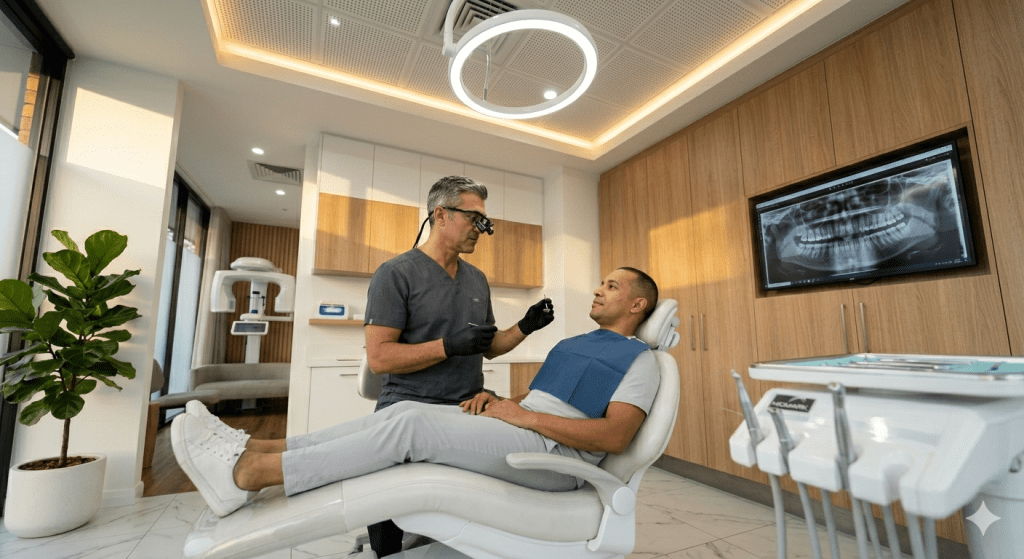
Dental implants in Bakersfield, California, offer a reliable solution for anyone looking to replace missing teeth with a natural, long-lasting option. They mimic the look and function of real teeth by anchoring directly into the jawbone, providing stability and comfort that traditional dentures often can’t match. This makes them an ideal choice for people who …
Dental implants in Bakersfield, California, offer a reliable solution for anyone looking to replace missing teeth with a natural, long-lasting option. They mimic the look and function of real teeth by anchoring directly into the jawbone, providing stability and comfort that traditional dentures often can’t match. This makes them an ideal choice for people who want to eat, speak, and smile confidently again.
Many patients worry about pain or the recovery process, but modern implant techniques focus on patient comfort and minimize downtime. Bakersfield dentists use advanced technology to tailor treatments that fit each person’s unique needs, ensuring the best possible outcome. Whether it’s a single tooth or multiple implants, the procedure is designed to be as smooth and reassuring as possible.
If someone is considering dental implants, understanding how they work and the benefits they bring can make the decision easier. Knowing there are caring experts nearby ready to guide through every step helps turn a dental implant procedure into a manageable and positive experience.
What Are Dental Implants?
Dental implants replace missing teeth by anchoring artificial roots firmly into the jawbone. They offer a stable foundation for new teeth, blending durability and natural appearance. Understanding how they work, their advantages over dentures, and who is suitable for them helps patients make informed decisions.
How Dental Implants Work
Dental implants are small titanium posts surgically placed into the jawbone. Over several months, the bone naturally fuses with the implant in a process called osseointegration. This creates a secure base that mimics a real tooth root.
Once healed, a custom-made crown is attached to the implant. This crown is designed to match the size, shape, and color of natural teeth. The result is a tooth that feels and functions like the original, restoring chewing ability and smile confidence.
Benefits Compared to Dentures
Unlike dentures, implants are fixed firmly in the jaw and don’t slip or move while speaking or eating. This stability allows for better chewing efficiency and comfort.
Implants also help preserve jawbone density because they stimulate the bone just like real teeth. Dentures may cause bone loss over time due to pressure and lack of stimulation. Additionally, implants require no adhesives or messy cleaning routines, only regular brushing.
Who Is a Good Candidate?
Good candidates have healthy gums and sufficient jawbone to support an implant. Patients with chronic health issues or significant bone loss may need extra treatments like bone grafts before getting implants.
Non-smokers generally have higher success rates because smoking can impede healing. However, many patients with controlled medical conditions still qualify. A dental professional evaluates overall oral health and medical history to ensure the implant will last and perform well.
The Dental Implant Process in Bakersfield
Getting dental implants in Bakersfield involves well-defined steps designed to ensure comfort, precision, and lasting results. From the first exam to recovery, each phase is tailored to the patient’s needs using modern technology and expert care.
Initial Consultation and Examination
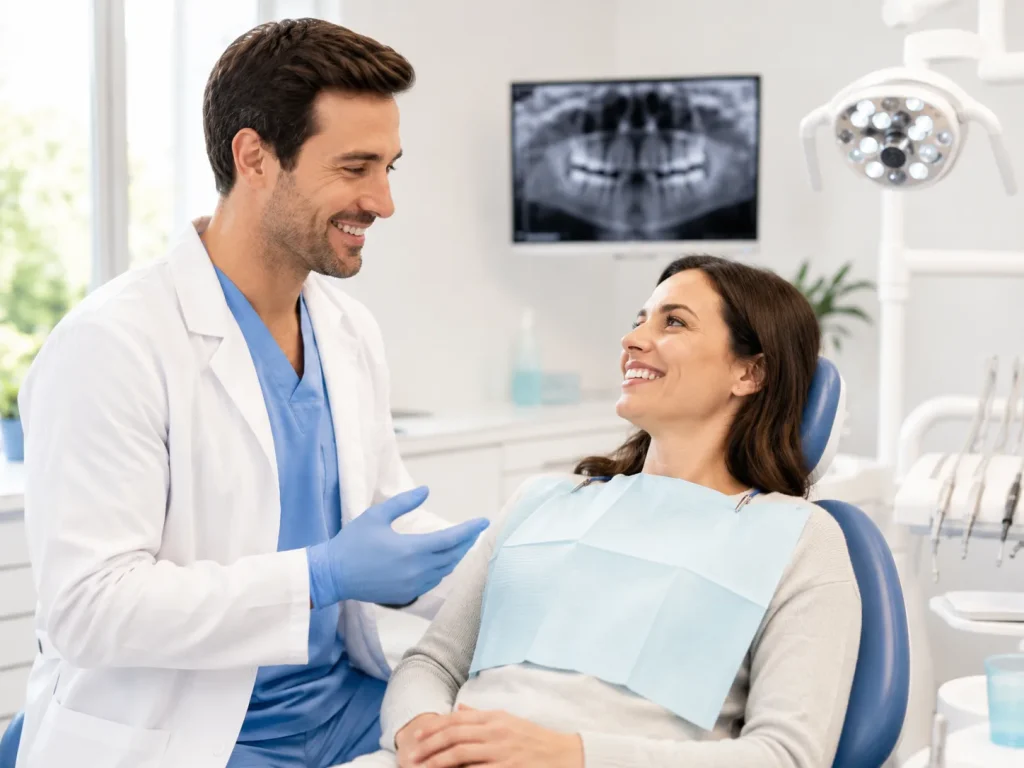
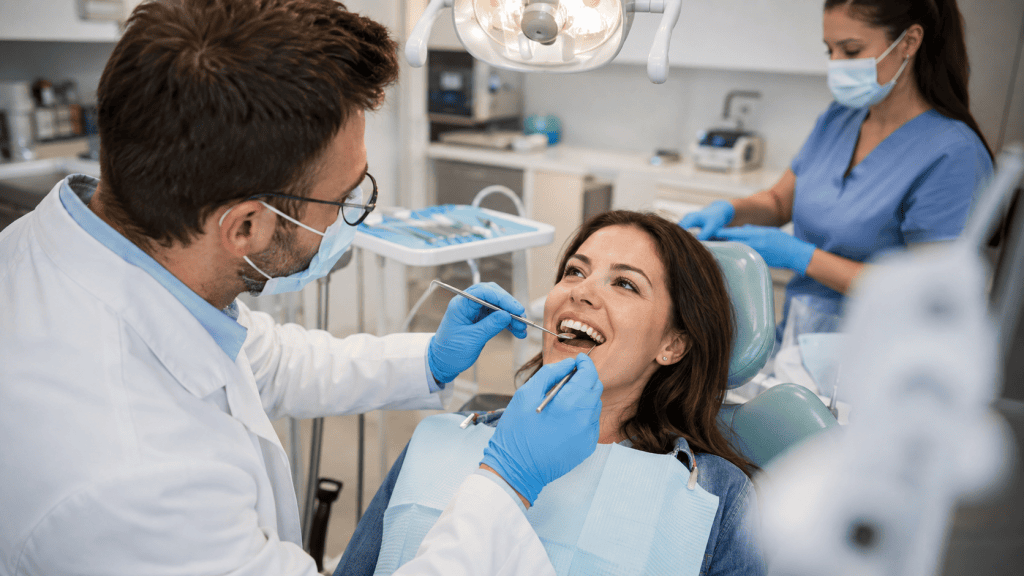
The process begins with a thorough consultation. The dentist evaluates oral health, discusses dental history, and identifies any conditions that might affect implant success.
Advanced imaging, like 3D X-rays or CT scans, is often used to get detailed views of the jawbone and nerve locations. This helps determine if the bone is strong enough to support an implant.
Patients can expect a straightforward conversation about options, costs, and timelines. Any concerns about pain or healing are addressed upfront to ease anxiety.
Customized Treatment Planning
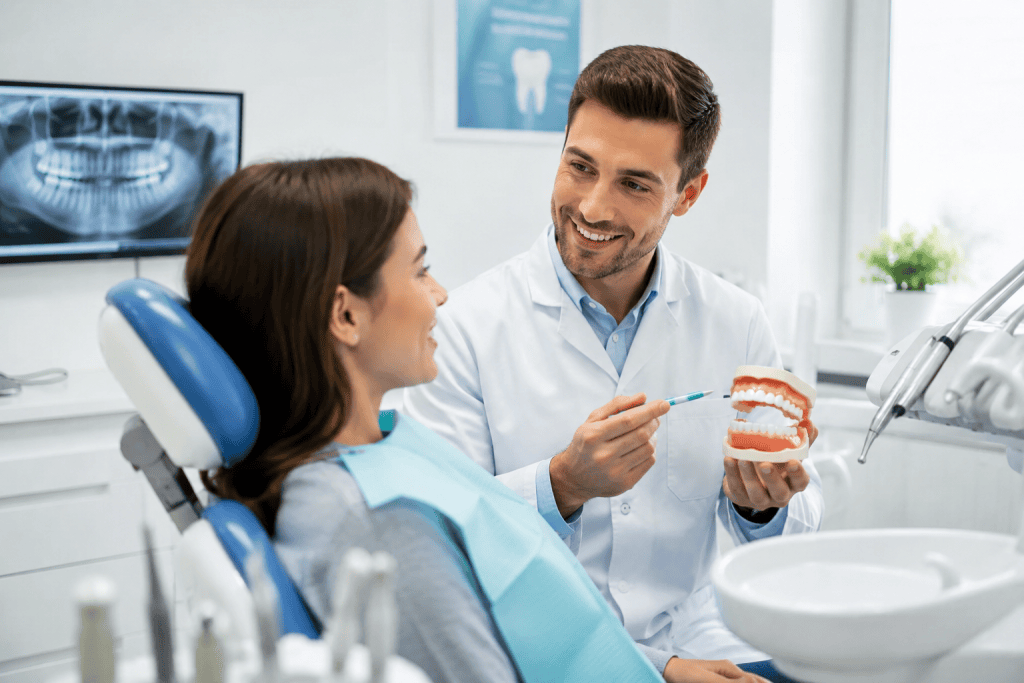
Once the examination is complete, the dentist creates a personalized treatment plan. This plan includes the number of implants needed, their precise placement, and the type of restoration (crown, bridge, or denture).
The plan considers factors like bone density, gum health, and aesthetic goals. In cases where bone loss is significant, bone grafting may be recommended before implant placement.
Clear timelines are set here, often spanning several months depending on healing and additional procedures. The dentist makes sure patients understand each step and what to expect.
Placement Surgery Overview
Dental implant surgery in Bakersfield is usually performed under local anesthesia, often with sedation options for added comfort. The dentist places titanium implants directly into the jawbone through a small incision.
This step is precise but typically brief, lasting about 30 to 60 minutes per implant. After placement, the site is closed gently with stitches, typically dissolvable.
Patients leave the office with post-op instructions and can usually manage discomfort with over-the-counter pain relief. Follow-up visits are scheduled to monitor healing and implant integration.
Aftercare and Recovery
Healing after implant surgery involves osseointegration, where the bone fuses with the implant. This stage can take 3 to 6 months, during which patients should avoid hard foods and follow oral hygiene guidelines carefully.
Regular check-ups ensure implant stability and gum health. The dentist will discuss care routines, including gentle brushing techniques and avoiding smoking to support healing.
Once fully healed, the final restoration is attached. Patients are encouraged to maintain routine dental visits to preserve both implants and natural teeth.
For those considering dental implants in Bakersfield, asking questions during consultation helps clarify the process and promotes confidence at every stage.
Types of Dental Implants Available
Dental implants come in various forms to suit different needs and dental conditions. Each option provides a reliable way to replace missing teeth while supporting oral health and natural function.
Single Tooth Implants
Single tooth implants are designed to replace one missing tooth at a time. A titanium post is surgically placed into the jawbone, acting as an artificial root. Once healed, it supports a custom-made crown that blends seamlessly with surrounding teeth.
This solution preserves adjacent teeth since there’s no need to alter them as with traditional bridges. It also helps maintain jawbone density because the implant stimulates the bone like a natural tooth. Recovery typically involves several months for the implant to fuse with the bone, ensuring stability.
Implant-Supported Bridges
When multiple adjacent teeth are missing, implant-supported bridges are a better option than traditional bridges. Instead of using natural teeth as anchors, implants provide strong, long-lasting support for the bridge.
At least two implants are placed to hold the bridge securely in place. This avoids damaging nearby healthy teeth and offers improved chewing strength. These bridges look and feel more natural, with enhanced durability.
The treatment timeline varies depending on healing, but it generally restores function and appearance effectively for patients with several missing teeth.
Full-Arch Solutions
For patients missing most or all teeth on a jaw, full-arch implant solutions provide a comprehensive restoration. These systems typically use four to six implants strategically placed to anchor a full set of replacement teeth.
Popular options include All-on-4, which minimizes the number of implants by angling them for optimal support. This approach often reduces surgery time and speeds up recovery while ensuring a stable foundation for the prosthetic arch.
Full-arch solutions restore chewing ability and facial structure and improve speech. They offer a fixed alternative to removable dentures, with easier maintenance and lasting comfort.
Choosing a Dental Implant Provider in Bakersfield
Selecting the right provider means looking closely at their background, the tools they use, and how they support their patients throughout the process. These factors help ensure a safe, effective, and comfortable experience.
Qualifications and Experience
A skilled dental implant provider in Bakersfield should have specialized training beyond general dentistry, such as completing an implantology certification or residency. Experienced providers have performed numerous implant procedures, allowing them to manage any challenges that may arise during treatment.
Look for credentials like membership in the American Academy of Implant Dentistry (AAID) or continuing education in implant technology. Providers with a strong track record and positive patient reviews offer greater confidence in their expertise.
Technology and Facilities
Modern implant dentistry relies on advanced imaging and planning tools, such as 3D cone beam computed tomography (CBCT) scans. A provider with these technologies can precisely assess bone density, nerve placement, and implant angle, reducing risks and improving outcomes.
State-of-the-art sterilization processes and comfortable, updated treatment rooms also contribute to a safer and more reassuring experience. Bakersfield offices that invest in the latest equipment show commitment to quality care.
Patient Comfort and Support
Dental implant treatment can feel intimidating, so providers who emphasize patient comfort make a big difference. This includes options for sedation dentistry, clear communication about what to expect, and managing pain effectively.
Good providers offer thorough follow-up care, guiding patients on healing and oral hygiene after surgery. Friendly staff and a welcoming environment help ease anxiety and build trust throughout the journey.
Cost and Financing Options for Dental Implants
Understanding the cost and payment options for dental implants can help patients plan their treatment with confidence. Prices vary based on several factors, while insurance and financing choices can make implants more accessible.
Factors Affecting Price
The total cost of dental implants in Bakersfield depends on the number of implants needed and the complexity of the case. Additional procedures like bone grafts or sinus lifts may increase the price. Quality of materials, such as the implant brand and type of crown, also plays a role.
Location and the expertise of the dental specialist influence costs. Some practices may charge more for advanced technology and personalized care. Patients should get detailed estimates that include all phases of treatment to avoid surprises.
Insurance Coverage
Most dental insurance plans offer limited or no coverage for implants, considering them a cosmetic procedure. However, some may partially cover related costs like extractions or crowns. Patients should check their specific policy details.
Medicare usually does not cover dental implants, but some supplemental plans might. It’s important to contact insurance companies directly or consult with the dental office’s billing department to confirm benefits before starting treatment.
Payment Plans and Assistance
Many Bakersfield dental offices offer flexible payment plans to break down the cost into monthly installments. These plans often have low or no interest, making implants more affordable. Some clinics partner with third-party lenders specializing in healthcare financing.
Patients can also explore dental discount plans or care credit cards designed for medical expenses. It’s wise to discuss all options thoroughly with the dental office to find the most comfortable and manageable payment solution.
Caring for Your Dental Implants
Dental implants require consistent care to keep them healthy and functional for years. Proper daily habits and regular professional visits both play key roles in protecting the implant and surrounding gums.
Daily Oral Hygiene Tips
Brushing twice a day is essential to remove plaque and prevent gum inflammation around the implant. A soft-bristle toothbrush or an electric brush designed for implants works best to avoid damaging the implant surface.
Flossing once daily helps reach tight spaces where a toothbrush can’t. Using floss made for implants or a water flosser can reduce the risk of gum irritation. Patients should avoid abrasive toothpastes that might scratch the implant crown.
Rinsing with an antimicrobial mouthwash can further cut bacteria buildup. Drinking plenty of water throughout the day also helps wash away food particles and maintain oral moisture.
Long-Term Implant Maintenance
Regular dental check-ups every 6 months ensure that both the implant and jawbone remain healthy. Dentists will look for signs of infection, bone loss, or mechanical issues with the implant components.
Professional cleanings use specialized tools to safely remove hardened plaque around implants. Unlike natural teeth, implants don’t develop cavities, but the gums can still suffer from peri-implantitis if not properly maintained.
Patients should report any discomfort, loosening, or swelling around the implant immediately. Early intervention can prevent more serious complications and extend the life of the dental implant.
Common Concerns and Myths About Dental Implants
Many people have questions about what to expect with dental implants, including worries about pain, success rates, and how long they last. Understanding these points can help patients feel more confident about choosing implants as a solution.
Pain and Discomfort
Dental implants involve minor surgery, so some discomfort is normal. However, advances in anesthesia and sedation mean patients typically feel little to no pain during the procedure.
After surgery, mild soreness and swelling are common but usually managed well with over-the-counter pain relievers. Most patients report that any discomfort is less intense than they expected and subsides within a few days.
Dentists in Bakersfield ensure they carefully plan the process to minimize pain. Following post-care instructions closely helps speed healing and reduce any lingering sensitivity.
Success Rates
Dental implants have a success rate of about 95% when placed by experienced professionals under proper conditions. Factors like good oral hygiene, healthy bone, and no uncontrolled diabetes increase the chance of success.
Failures can occur but are relatively rare. Common causes include infection, insufficient bone structure, or excessive biting forces.
Bakersfield dental specialists typically evaluate patients thoroughly before recommending implants and provide guidance on maintaining oral health to support long-term success. Regular dental visits also help catch potential issues early.
Longevity of Implants
Dental implants are designed to last many years and often function for 20 years or more with proper care. Unlike dentures or bridges, implants fuse with the jawbone, creating a stable foundation that doesn’t shift or slip.
Daily habits like brushing, flossing, and routine dental cleanings are vital to preventing gum disease, which can threaten implant stability. Avoiding smoking also supports the health of the implant site.
Implants do not decay like natural teeth, but the surrounding gums and bone must remain healthy for the implant to last. Patients are encouraged to discuss maintenance plans with their Bakersfield dentist to protect their investment.
Take the Next Step Toward a Confident Smile
Choosing dental implants in Bakersfield, California, means opting for a reliable solution to restore your smile and chewing comfort. Many patients find that implants feel natural and allow them to eat, speak, and smile with ease again.
The process begins with a thorough evaluation to ensure implants fit your specific needs. Experts focus on patient comfort, explaining each step clearly and offering gentle care throughout the treatment.
Patients appreciate that dental implants help protect surrounding teeth and support jawbone health, making them a smart long-term choice. Modern technology allows for precise implant placement, often resulting in shorter healing times.
Key benefits of dental implants include:
- Improved appearance and self-confidence
- Stable support for crowns, bridges, or dentures
- Durable and long-lasting results
If someone is unsure about whether implants are right for them, a consultation provides personalized advice. The dental team in Bakersfield welcomes questions and guides patients at every stage of their smile restoration journey.
Frequently Asked Questions
Dental implants involve several steps, costs, and treatment options depending on individual needs. Patients often want clarity on pricing, procedures, and which solutions fit their specific dental situation.
How much does a single-tooth implant typically cost in California, and what factors can change the price?
A single-tooth implant in California generally ranges from $3,000 to $5,000. Factors like the dentist’s experience, clinic location, and additional procedures—such as bone grafts—can affect the total cost.
Insurance coverage and payment plans may help manage the price, but it’s best to get a personalized estimate from the dental office.
What’s the difference between a dental implant, a dental bridge, and a denture—and how do I know which is right for me?
A dental implant replaces a single tooth by anchoring a titanium post into the jawbone. A bridge uses nearby teeth for support to fill gaps, while dentures are removable sets of replacement teeth.
Implants offer a longer-lasting, more natural feel. Bridges or dentures may be better if bone loss or budget limits implant options. A dentist can recommend based on oral health and lifestyle.
How long does the dental implant process take from the first visit to the final tooth, and what should I expect at each step?
The process typically takes 3 to 6 months. First, the implant post is surgically placed in the jawbone. Then, several months allow the bone to fuse with the implant.
After healing, the abutment and crown are attached. Some cases may require extra steps like bone grafts, extending the timeline.
Are All-on-4 implant options a good fit if I’m missing most or all of my teeth, and how is the recovery?
All-on-4 implants support a full arch of replacement teeth with just four implants, making them efficient for those missing many teeth. They often allow for faster recovery and fewer surgeries.
Patients may experience mild swelling and soreness but usually recover comfortably within a few weeks. This option offers stability without needing individual implants for every tooth.
Can dental implants help improve my bite or jaw comfort if my teeth don’t line up well?
Yes, implants can stabilize the bite by replacing missing teeth and preventing neighboring teeth from shifting. This often alleviates jaw discomfort caused by misaligned teeth.
A dental professional can evaluate bite issues and design implant placement to enhance chewing function and overall oral comfort.
If I have an autoimmune condition, am I still a candidate for dental implants, and what precautions should I discuss with my dentist?
Autoimmune conditions don’t automatically rule out implants, but they can affect healing. It’s crucial to discuss your specific condition and medications with the dentist.
They may coordinate care with your doctor and adjust treatment timing. Close monitoring during recovery helps reduce risks and achieve the best outcome.